- The future market for spunbond nonwoven fabrics will place greater emphasis on differentiated competition.
- Spunbond Nonwoven Fabric: Multi-field Applications and Scientific Selection Guide
- Observation on the Spunbond Nonwoven Fabric Market: Purchasing Becomes More Rational, Quality and Service Become Key Factors in Cooperation
- Common Applications and Selection Guidelines for Spunbond Nonwoven Fabrics
- The market application of spunbond non-woven fabric continues to deepen.

- Telephone: 0551- 66779966
- Cellphone: 18955130444
- Email: 58792982@qq.com
- Address: Building 1-2, East of Wubu Village Section, Hehuai Road, Wushan Town, Changfeng County, Hefei City, Anhui Province
In daily life, are the masks we often wear made of PP non-woven fabrics? What exactly is PP non-woven fabric?
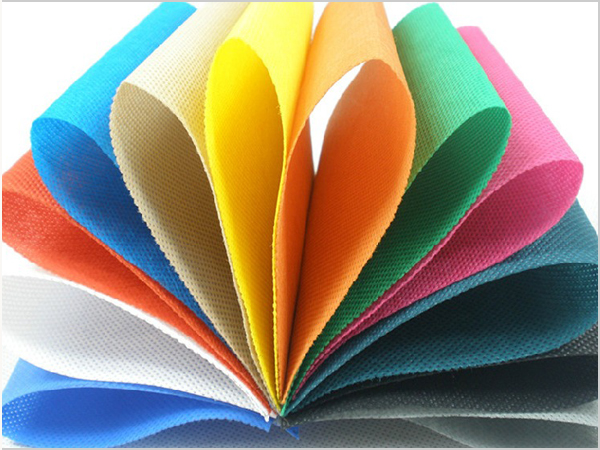
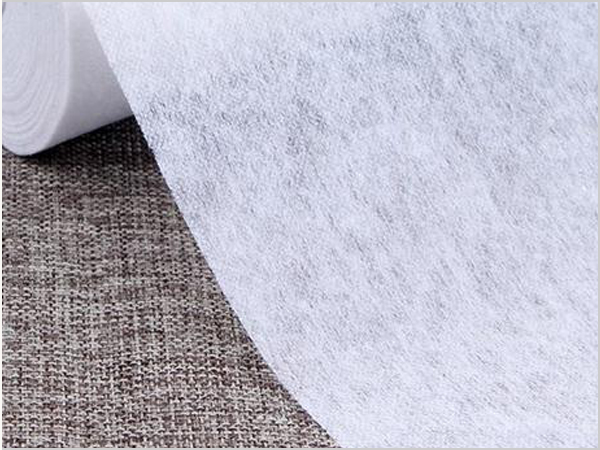
PP non-woven fabrics can be used to make masks, but not all masks are made of non-woven fabrics. Non-woven fabrics, also known as non-woven fabrics, are fabrics that are not woven or woven. It is not made of yarns interwoven and knitted one by one in the traditional sense, but a fabric formed by directly bonding fibers together through physical methods.
Among industrial materials, non-woven fabrics are mostly used to make filter media, sound insulation, electrical insulation, packaging, roofing and abrasive materials because of their high filtration efficiency, insulation, heat insulation, acid resistance, alkali resistance, and tear resistance. product.
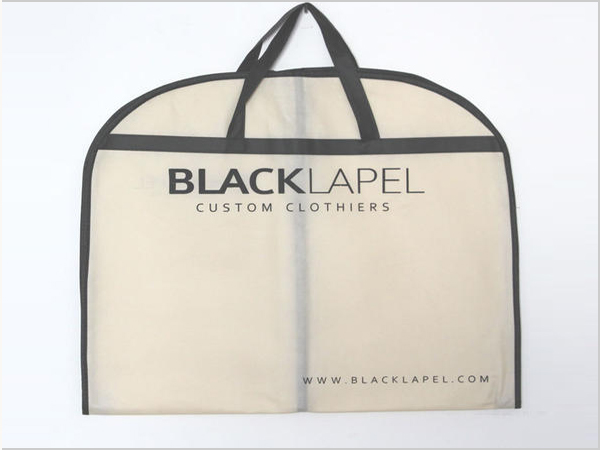
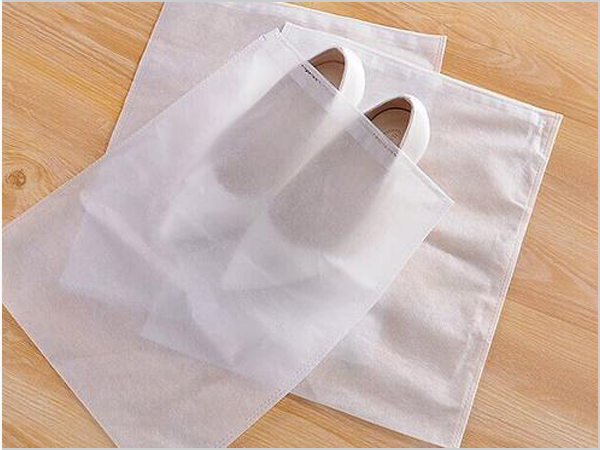
In the daily necessities industry, PP non-woven fabrics can be used as core materials for clothing, curtains, wall decoration materials, diapers, travel bags, etc.
In medical and health products, PP non-woven fabrics can be used in the production of surgical gowns, hospital gowns, masks, sanitary belts, etc.
Anhui Xiangshuo Nonwovens Technology Co., Ltd. is located in Wushan Town, Changfeng County, Hefei, Anhui Province, close to Jiangsu, Zhejiang and Shanghai, with convenient transportation, covering an area of 42 acres. The company was established in July 2019 with a registered capital of 10 million yuan. Committed to the development and production of environmentally friendly non-woven consumables, it is an emerging production enterprise with complete equipment and strong technical force. It has been rated as a key investment attraction enterprise in Xinqiao Industrial Zone, Hefei City. The company currently has PP non-woven and polypropylene spunbond non-woven production lines, with a width of 1.8m-3.2m and a gram weight of 9-250g/m. The products are green and environmentally friendly products with the characteristics of flame retardant, anti-aging, anti-static, acid and alkali resistance, non-toxic, pollution-free and degradable. The main business scope of our company: research and development, production and sales of non-woven fabrics, non-woven products and new non-woven materials; manufacturing and sales of chemical fiber equipment and non-woven equipment; research and development, production and sales of plastic masterbatch functional masterbatch; outdoor R&D, production and sales of supplies; R&D, production and sales of PE woven tarpaulins, furniture covers, plastic nets, trash cans, and plastic greenhouses.
We always adhere to the principle of "survive by quality, develop by integrity", further improve the level of enterprise management, achieve enterprise development goals, and strive to become a continuous leader in the industry.
- The future market for spunbond nonwoven fabrics will place greater emphasis on differentia
- Spunbond Nonwoven Fabric: Multi-field Applications and Scientific Selection Guide
- Observation on the Spunbond Nonwoven Fabric Market: Purchasing Becomes More Rational, Qual
- Common Applications and Selection Guidelines for Spunbond Nonwoven Fabrics
- The market application of spunbond non-woven fabric continues to deepen.
- A Guide for Selecting the Right Application for Nonwoven Fabrics with Spunbond Technology
- The application scope of spunbond non-woven fabric is continuously expanding, and downstre
- PP Nonwoven Fabric Purchase Guide: Understand These Points to Avoid Making Mistakes When S
- Is spunbond non-woven fabric durable? Let's find out!
- The industry's confidence has been fully restored, and the sector is witnessing a turning