- The future market for spunbond nonwoven fabrics will place greater emphasis on differentiated competition.
- Spunbond Nonwoven Fabric: Multi-field Applications and Scientific Selection Guide
- Observation on the Spunbond Nonwoven Fabric Market: Purchasing Becomes More Rational, Quality and Service Become Key Factors in Cooperation
- Common Applications and Selection Guidelines for Spunbond Nonwoven Fabrics
- The market application of spunbond non-woven fabric continues to deepen.

- Telephone: 0551- 66779966
- Cellphone: 18955130444
- Email: 58792982@qq.com
- Address: Building 1-2, East of Wubu Village Section, Hehuai Road, Wushan Town, Changfeng County, Hefei City, Anhui Province
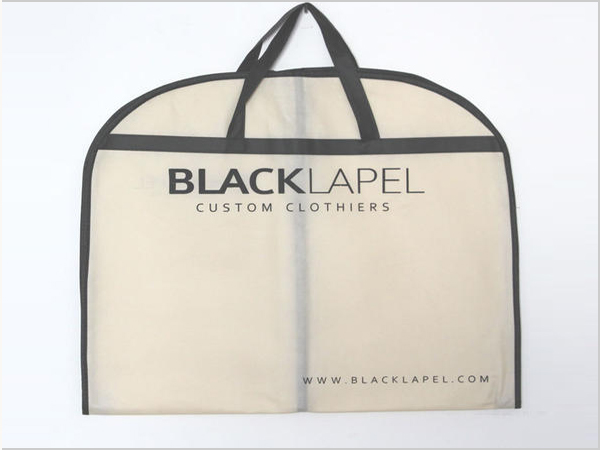
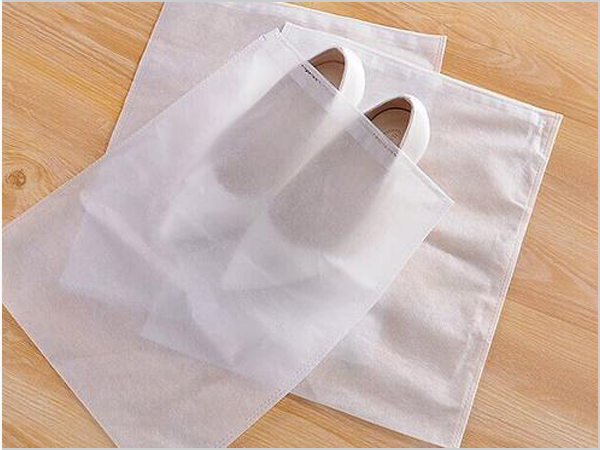
The appearance of spunbond non-woven fabrics has no warp and weft lines, so it is very convenient to cut and sew, and it is light and easy to shape. Therefore, it is widely used in various fields such as non-woven fabrics for medical and sanitary materials, non-woven fabrics for agriculture, non-woven fabrics for industrial use, and non-woven fabrics for packaging materials. In recent years, it has gradually replaced polyurethane polymer and has become a new environmentally friendly material, which is deeply loved by handicraft enthusiasts.
Main features of spunbond non-woven fabrics:
Good high temperature resistance, good high temperature resistance (polypropylene can be used for a long time in the environment of 150℃, polyester can be used in the environment of 260℃ for a long time), aging resistance, UV resistance, high elongation, good stability and air permeability, corrosion resistance , sound insulation, moth-proof, non-toxic.
Because the technological process is simple, the output is large, and it is non-toxic and harmless to the human body.
What is spunbond non-woven fabric?
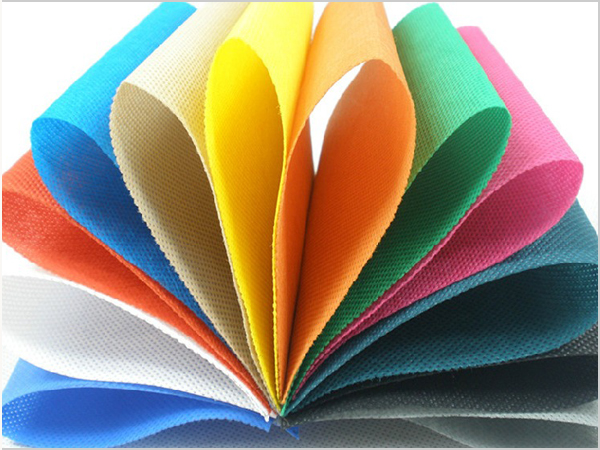
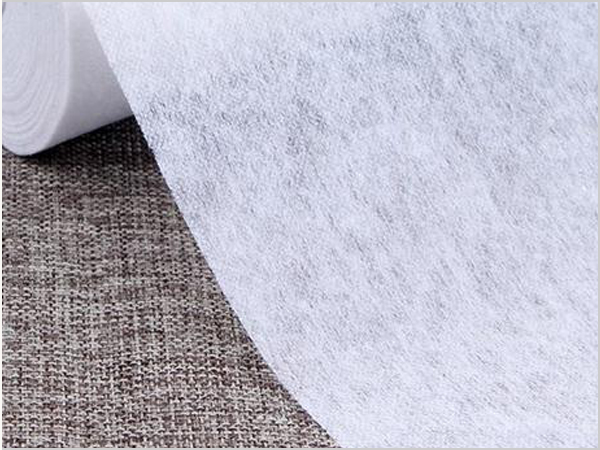
spunbond non-woven fabrics are a new generation of environmentally friendly materials, which are water-repellent, breathable, flexible, non-combustible, non-toxic, non-irritating, and rich in color. If the material is placed outdoors and decomposed naturally, its longest life is only 90 days, and it will decompose within 8 years when placed indoors. It is non-toxic, odorless, and free of any residual substances when burned, so it does not pollute the environment. A kind of non-woven fabric, non-woven fabric and fiber paper formed without spinning and weaving. It is composed of directional or random fibers, and is produced by continuous one-step method of high temperature melting, spinning, laying, hot pressing and coiling. Using pp polypropylene as raw material, it is polymerized into a mesh through high temperature drawing, and then bonded into cloth by hot rolling.
The main experience scope of Anhui Xiangshuo Nonwovens Technology Co., Ltd.: research and development, production and sales of non-woven fabrics, non-woven products, and new non-woven materials; chemical fiber equipment, non-woven equipment manufacturing and sales; plastic masterbatch functional masterbatch R&D, production and sales; R&D, production and sales of outdoor products; R&D, production and sales of PE woven tarpaulins, furniture covers, plastic nets, trash cans, and plastic greenhouses.
If you need non-woven fabrics, spunbond non-woven fabrics, pp non-woven fabrics, and outdoor products, you can contact us. If you want to know more about our company, please contact: Mr. Xiang, mobile phone number: 18955130444
- The future market for spunbond nonwoven fabrics will place greater emphasis on differentia
- Spunbond Nonwoven Fabric: Multi-field Applications and Scientific Selection Guide
- Observation on the Spunbond Nonwoven Fabric Market: Purchasing Becomes More Rational, Qual
- Common Applications and Selection Guidelines for Spunbond Nonwoven Fabrics
- The market application of spunbond non-woven fabric continues to deepen.
- A Guide for Selecting the Right Application for Nonwoven Fabrics with Spunbond Technology
- The application scope of spunbond non-woven fabric is continuously expanding, and downstre
- PP Nonwoven Fabric Purchase Guide: Understand These Points to Avoid Making Mistakes When S
- Is spunbond non-woven fabric durable? Let's find out!
- The industry's confidence has been fully restored, and the sector is witnessing a turning