- The future market for spunbond nonwoven fabrics will place greater emphasis on differentiated competition.
- Spunbond Nonwoven Fabric: Multi-field Applications and Scientific Selection Guide
- Observation on the Spunbond Nonwoven Fabric Market: Purchasing Becomes More Rational, Quality and Service Become Key Factors in Cooperation
- Common Applications and Selection Guidelines for Spunbond Nonwoven Fabrics
- The market application of spunbond non-woven fabric continues to deepen.

- Telephone: 0551- 66779966
- Cellphone: 18955130444
- Email: 58792982@qq.com
- Address: Building 1-2, East of Wubu Village Section, Hehuai Road, Wushan Town, Changfeng County, Hefei City, Anhui Province
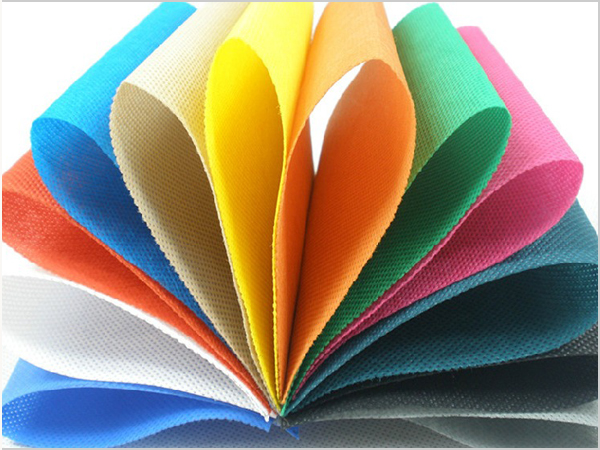
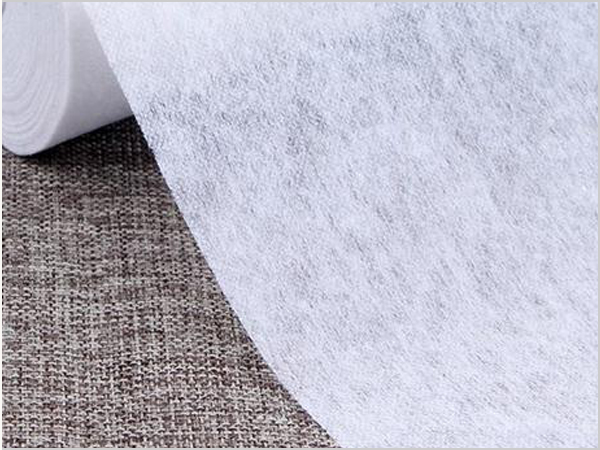
Spunbonded non-woven fabric, also known as polypropylene spunbonded non-woven fabric, polypropylene spunbonded non-woven fabric, is a new generation of environmental protection materials, with water repellent, breathable, flexible, non-combustion, non-toxic and non-irritating, rich in color and other characteristics.
If the material is placed outdoors after natural decomposition, its maximum life is only 90 days, when placed indoors in 8 years decomposition, non-toxic, tasteless and no residue when burning, so as not to pollute the environment, environmental protection from this.
Because of the simple process of spunbonded non-woven fabric, large yield, non-toxic and harmless to human body. So it is widely used in medical and health materials non-woven fabrics, agricultural non-woven fabrics, industrial non-woven fabrics, non-woven packaging materials and other fields.
1. Polypropylene material
Polypropylene (PP) is a kind of polymer commonly used in spinning mesh process, the main performance parameters are isometric, melt index (MFI) and ash content.
The meshing process requires that the isometric degree of polypropylene is above 95%, but it is difficult to spin if it is below 90%.
In the process of polymerization, three kinds of polymer configurations can be produced because of the different positions of methyl groups in the three-dimensional space.
Material: 100% polypropylene fiber
Processing method: spinning and bonding method
Color: Normally according to the color card provided by the factory, or according to the customer's requirements of special color (Pantone card can do)
Grain: keyhole point/sesame point/cross grain/special grain (on the market, most of them are keyhole point grain, sesame point is used for health materials, cross grain is used for shoes, packaging, one word grain is less).
Features: It is a new generation of environmental protection materials, with moisture-proof, breathable, flexible, light weight, non-combustion-supporting, easy to decompose, non-toxic and non-irritating, recyclable, soluble, waterproof, dustproof, UV protection, rich color, low price, recyclable and reusable characteristics.
2. Application
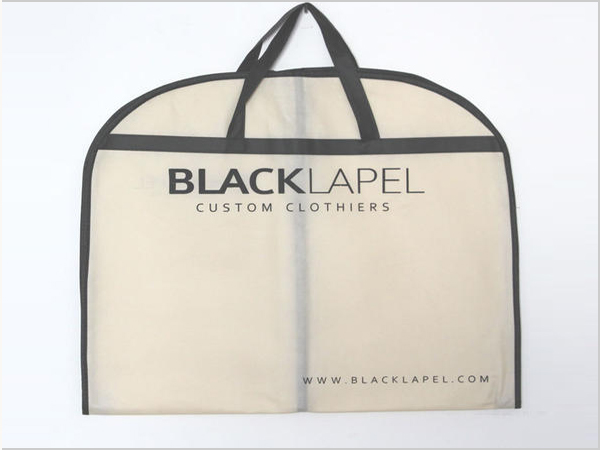
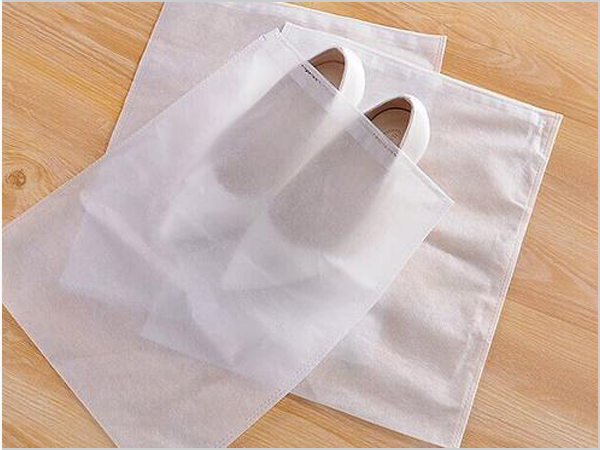
Spunbonded non-woven fabric is mainly used in medical materials, agricultural cover, home textiles and household articles, packaging materials, shopping bags and other aspects, new products emerge in an endless stream, a wide range of uses.
Such as masks, medical disposable isolation clothing, head covers, shoe covers, diapers, adult urinary incontinence and hygiene products, etc
17~100gsm (3% UV) for agricultural cover
15~85gsm for home textile lining
40~120gsm is used for household articles
50~120gsm is used for packing materials
100~150gsm is used for blinds, automobile interior, photography background cloth, advertising cloth, etc.
- The future market for spunbond nonwoven fabrics will place greater emphasis on differentia
- Spunbond Nonwoven Fabric: Multi-field Applications and Scientific Selection Guide
- Observation on the Spunbond Nonwoven Fabric Market: Purchasing Becomes More Rational, Qual
- Common Applications and Selection Guidelines for Spunbond Nonwoven Fabrics
- The market application of spunbond non-woven fabric continues to deepen.
- A Guide for Selecting the Right Application for Nonwoven Fabrics with Spunbond Technology
- The application scope of spunbond non-woven fabric is continuously expanding, and downstre
- PP Nonwoven Fabric Purchase Guide: Understand These Points to Avoid Making Mistakes When S
- Is spunbond non-woven fabric durable? Let's find out!
- The industry's confidence has been fully restored, and the sector is witnessing a turning