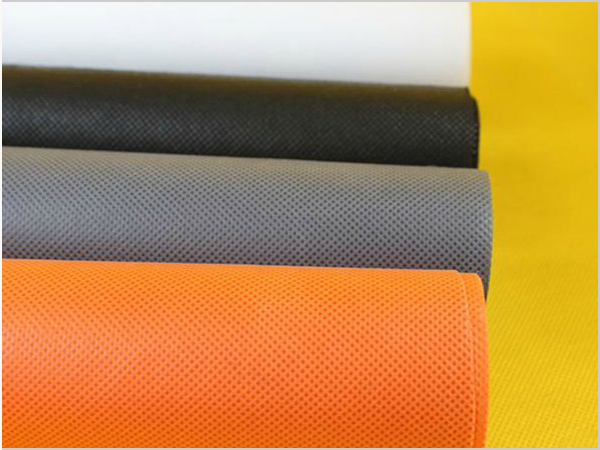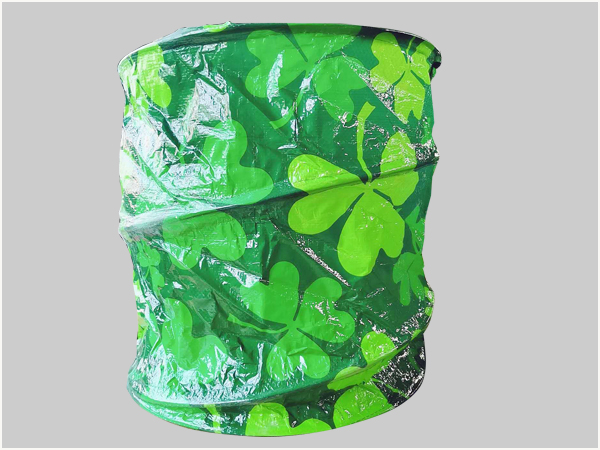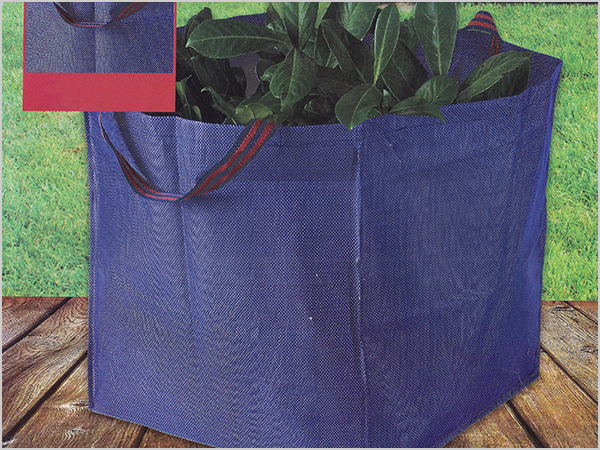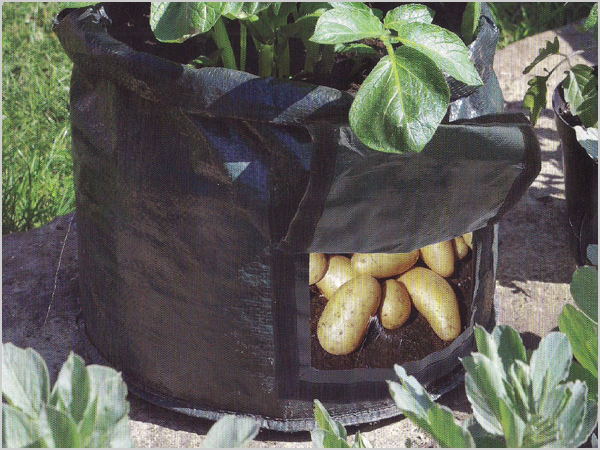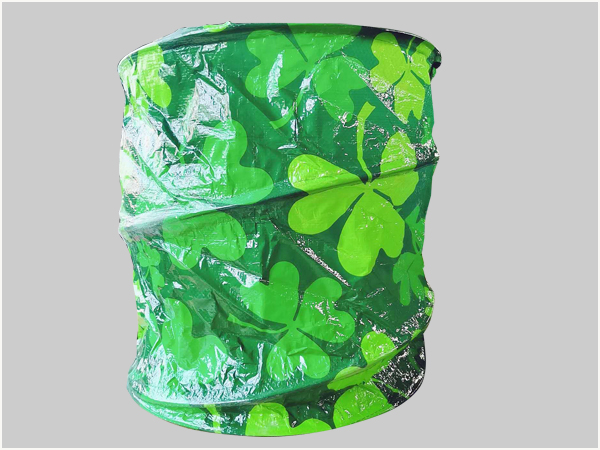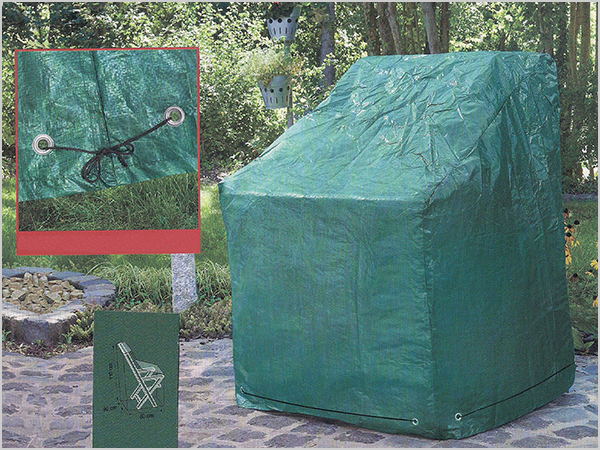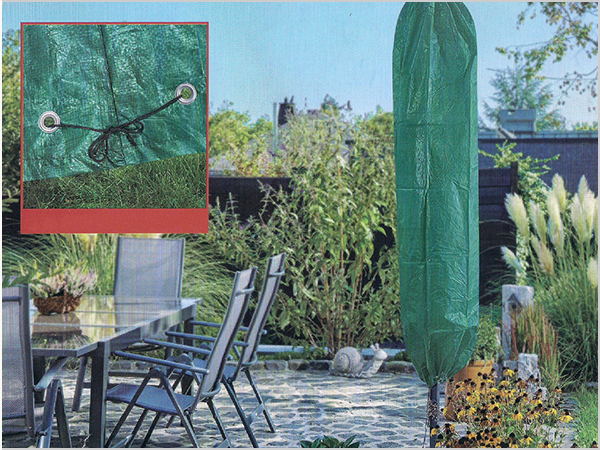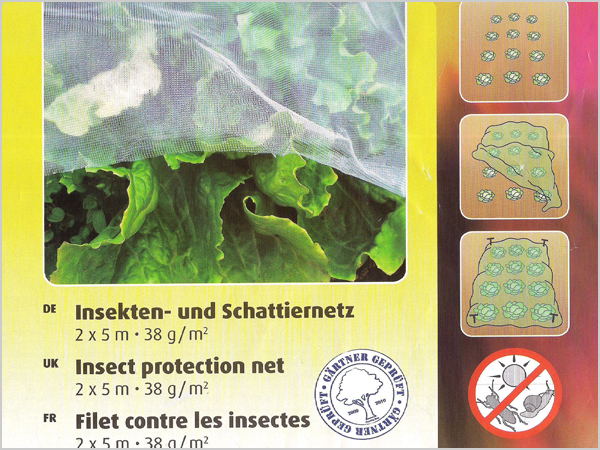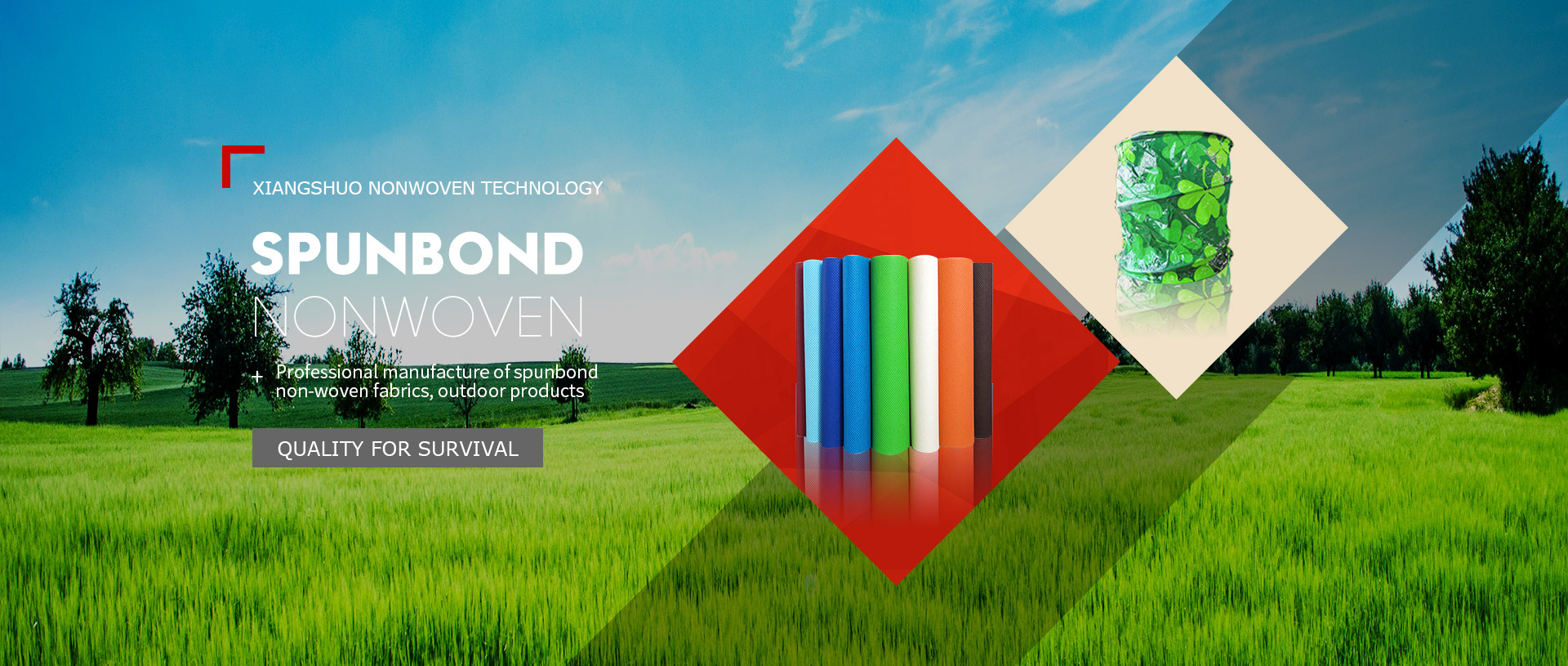
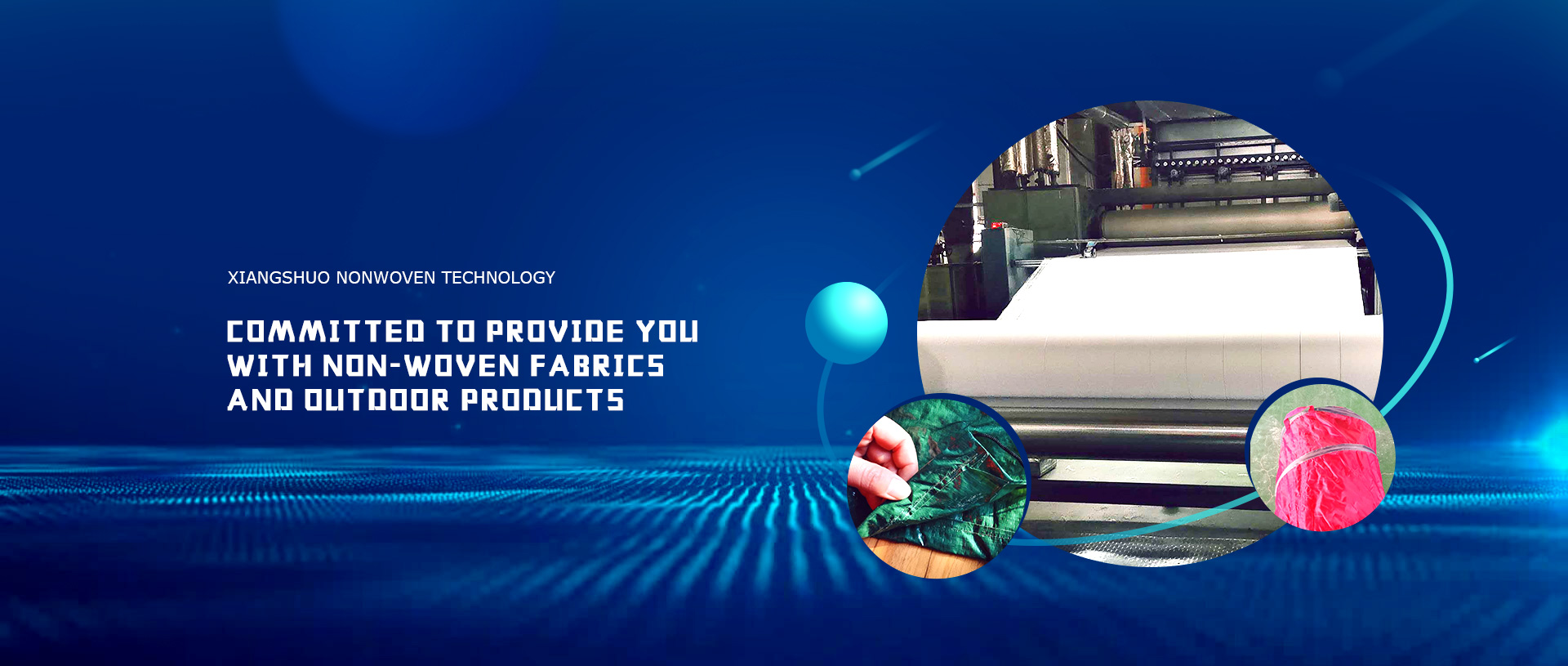
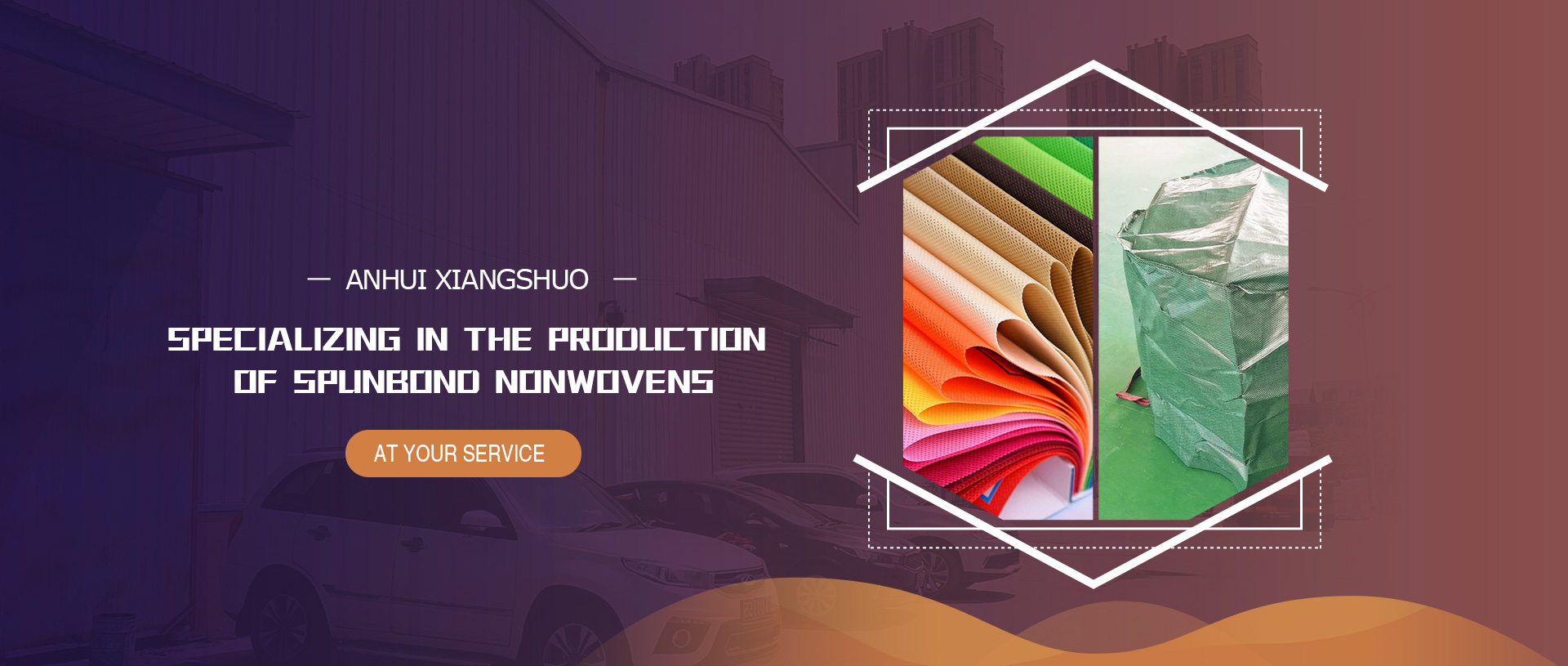
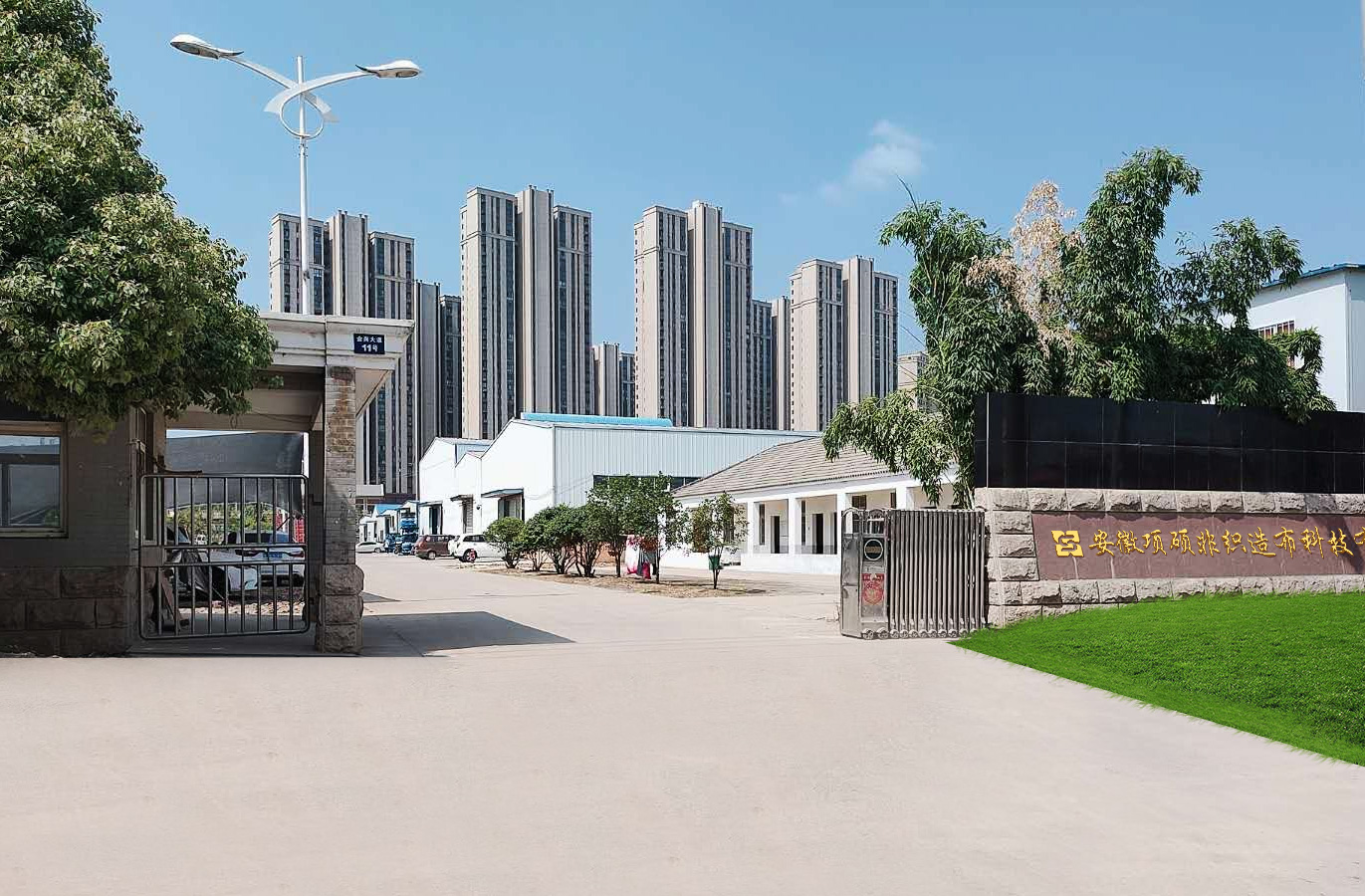
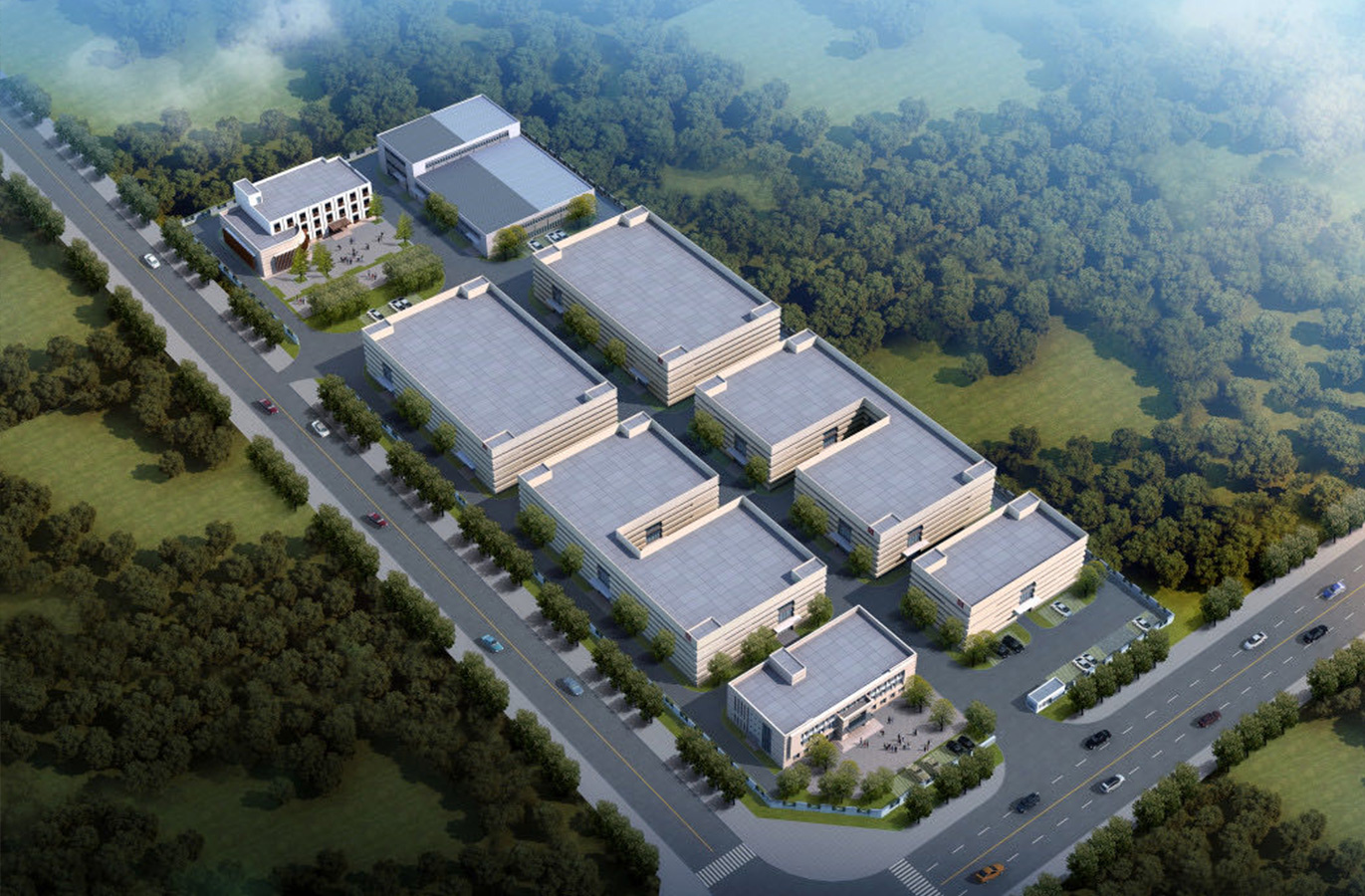
Anhui Xiangshuo Nonwoven Technology Co., Ltd. is located in Wushan Town, Changfeng County, Hefei City, Anhui Province, near Jiangsu, Zhejiang and Shanghai, with convenient transportation and an area of 42 acres. The company was established in July 2019 with a registered capital of 10 million yuan. Committed to the development and production of environmentally friendly nonwoven consumables, it is an emerging production-oriented enterprise with complete equipment and strong technical force, and was rated as a key investment attraction enterprise in Hefei Xinqiao Industrial Zone. The company currently has production lines for PP nonwoven fabrics and polypropylene spunbond nonwoven fabrics, with a width of 1.8 meters to 3.2 meters and a grammage of 9 to 250 g / m². The product has the characteristics of flame-retardant, anti-aging, anti-static, acid and alkali resistance, non-toxic, non-pollution, degradable and other environmentally friendly products. The main scope of our company's experience: R & D, production and sales of non-woven fabrics, non-woven products, and new materials for non-woven fabrics; manufacturing and sales of chemical fiber equipment and non-woven fabric equipment; R & D, production and sales of plastic masterbatch functional master batches; R & D, production and sales of supplies; R & D, production and sales of PE woven tarpaulins, furniture covers, plastic nets, trash cans, and plastic houses.
We always adhere to the principle of "survive by quality, develop by integrity", further improve the management level of the enterprise, achieve the development goals of the enterprise, and strive to become a continuous leader in the industry.
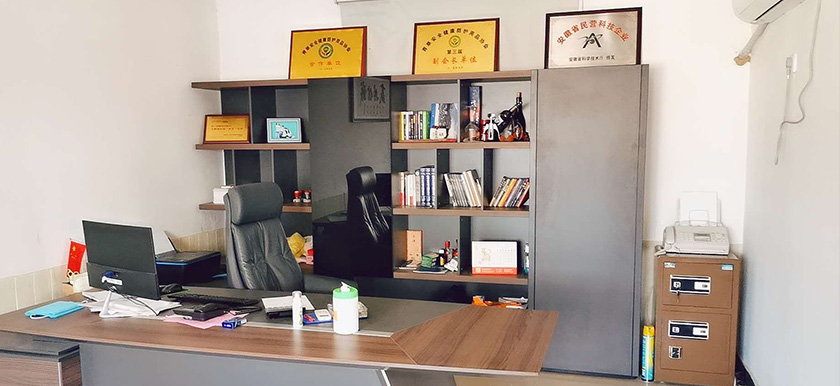
Founder Mr. Xiangxian Jun has 18 years of rich experience in China's non-woven fabric industry. He has developed customers in most parts of the country and overseas markets.
We always adhere to the principle of "survive by quality, develop by integrity", strictly control product quality in production, and always adhere to integrity-based operation.
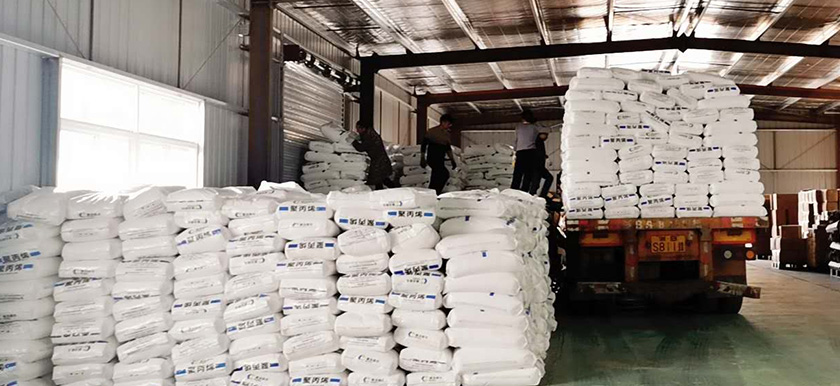
The company is committed to the development and production of environmentally friendly nonwoven consumables. It is a production-oriented enterprise with complete equipment and strong...
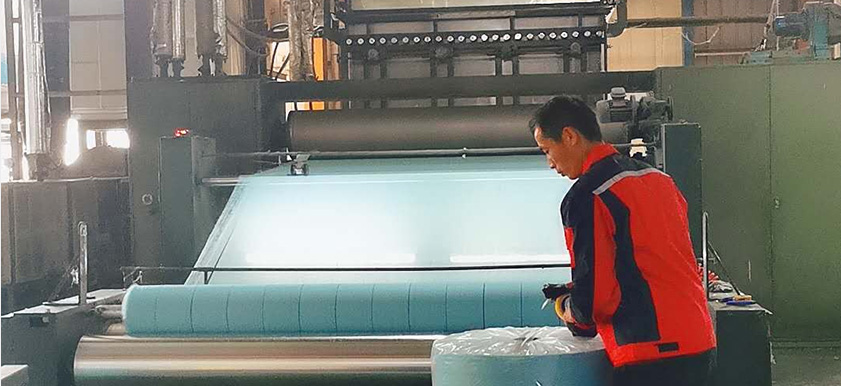

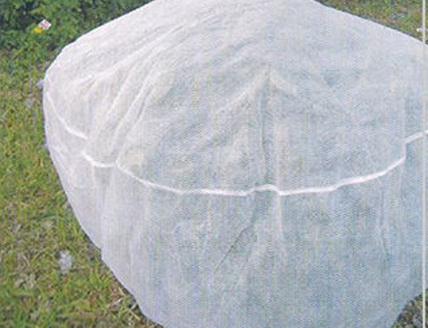
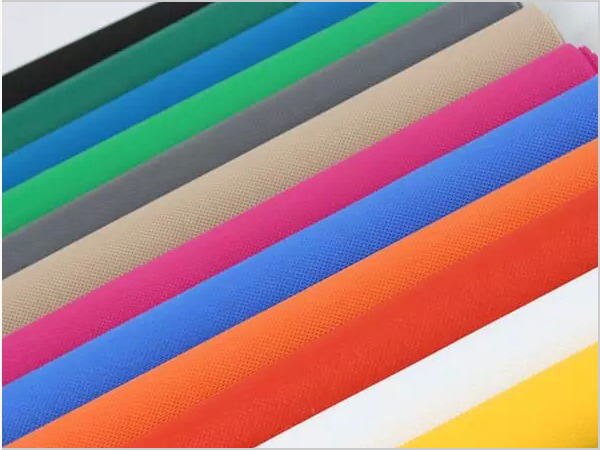
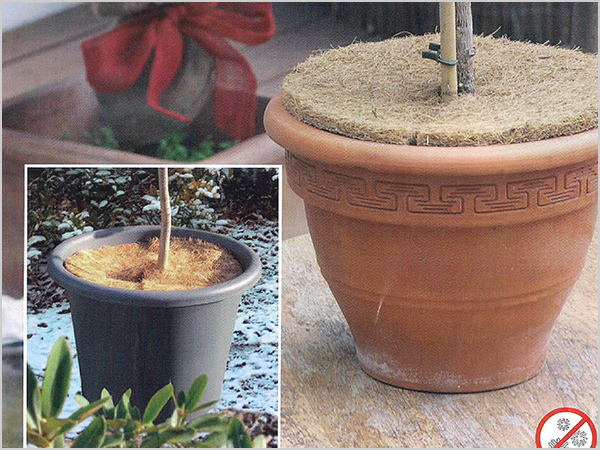
Seedling cultivation, breathable heat preservation and moisturizing, insect control, grass and frost resistance, UV resistance
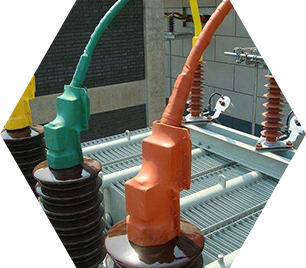
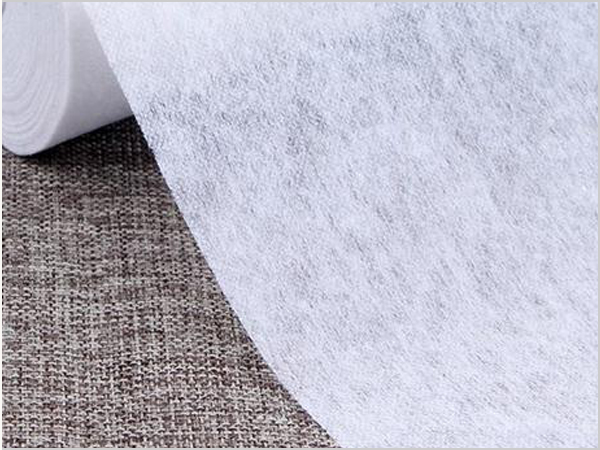
Filter materials, insulation materials, cement packaging bags, garden warmth, etc.
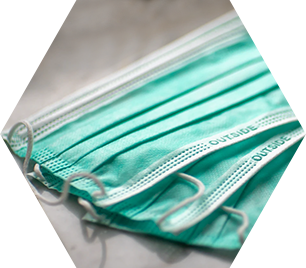
Surgical gowns, protective clothing, disinfection bags, disposable surgical mattresses, masks, etc.

Sanitary napkins, sanitary pads, diapers, wipes, beauty products, etc.
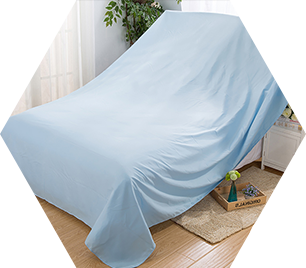
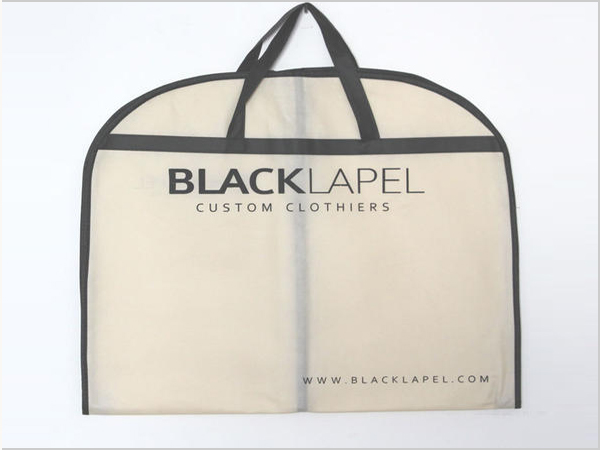
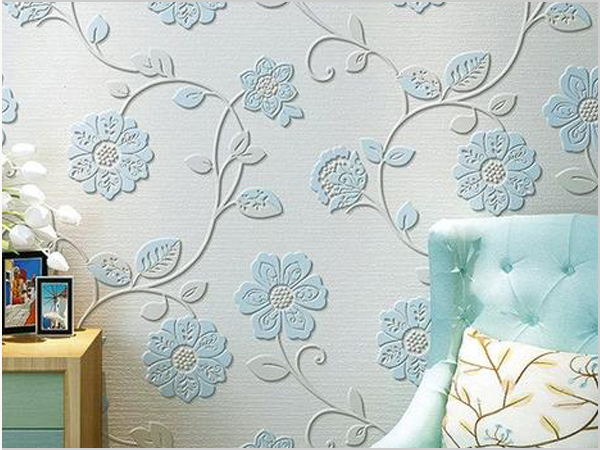
Furniture covers, non-woven wallpaper, table cloth, etc.
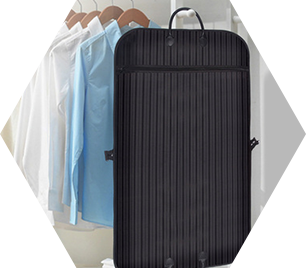
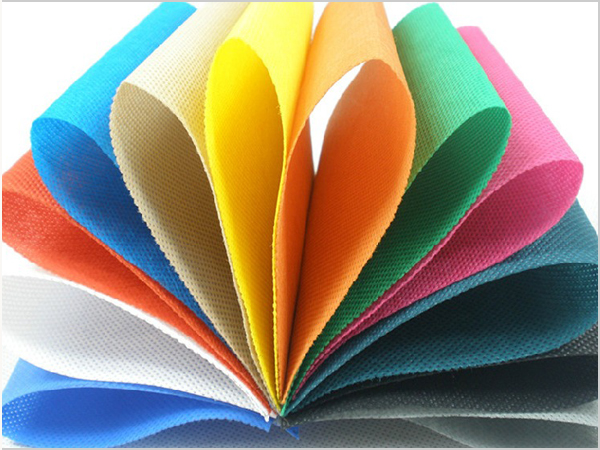
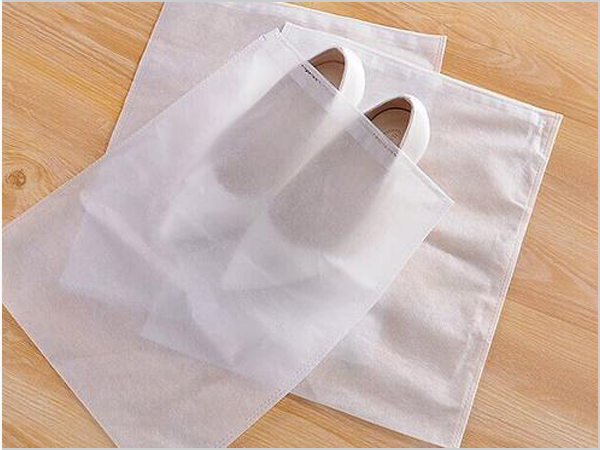
Lining, adhesive lining, non-woven suits, shoes, bags, etc.
In the field of nonwoven materials, spunbond nonwoven fabric, with its stable performance and wide applicability, has become the basic raw material for multiple industries. The production principle of it is not complicated: by melting and extruding polymer chips, stretching them into fibers, directly laying the net, and then solidifying and shaping through heat rolling or chemical methods. This "spinning and netting" process enables spunbond nonwoven fabric to have both good strength and a uniform pore structure. The core advantage of spunbond nonwoven fabric lies in its physical properties. Taking common polypropylene non-woven fabric as an example, it has the advantages of being lightweight, having high tensile strength, being resistant to acids and alkalis, and being non-itchy. During the production process, by adjusting the raw material ratio and process parameters, different weights, widths, and functional products can be produced, adapting to various usage scenarios. It can be seen in the medical field such as surgical gowns and protective suits, in agriculture as covering materials, and in daily life as shopping bags and storage items. In the field of architecture and civil engineering, spunbond nonwoven fabric also plays a significant role. As the base fabric for waterproof roofing materials, it can enhance the tensile strength and dimensional stability of the roofing materials, and extend the service life of the waterproof layer. In road and water conservancy projects, spunbond non-woven fabric is used as an isolation, filtration and reinforcement layer, effectively improving the mechanical properties of the structural layer. When choosing spunbond nonwoven fabric, users usually pay attention to several key indicators: unit area mass, breaking strength, elongation at break, and anti-static water pressure resistance. The requirements for parameters vary greatly depending on different application scenarios. For example, medical hygiene products focus on uniformity and hygiene indicators, while geotechnical products place more emphasis on durability and resistance to chemical corrosion. Regular suppliers usually provide complete test reports to help the purchasing party confirm whether the product meets the usage requirements. From the production perspective, the process of spunbond nonwoven fabric has become quite mature. Polypropylene (PP) is the main raw material, which has a stable source and can be recycled and reused, giving the entire industrial chain certain advantages in terms of resource utilization and environmental protection. With the continuous expansion of application fields, spunbond nonwoven fabric is continuously developing in the direction of functional specialization and quality refinement, providing more reliable supporting materials for downstream industries.
MORE+Application fields of spunbond non-woven fabric:The application scope of spunbond non-woven fabric is quite extensive. According to its usage, it can be divided into several main directions: The healthcare sector represents an important application area. Products such as surgical gowns, protective suits, masks, and bed sheets require materials that possess both protective properties and comfort. Non-woven fabrics made of spunbond can meet these requirements. The usage in the packaging material field is considerable. Items such as shopping bags, gift bags, and inner linings for electronic products can achieve reusability and excellent display effects by taking advantage of the strength and printing suitability of spunbond non-woven fabric. The application in the agricultural field is continuously increasing. Products such as mulching films, seedling covers, and weed-prevention mats are used, taking advantage of the breathable and weather-resistant properties of spunbond non-woven fabrics to help improve the growth environment for crops. Geotechnical construction materials also have mature applications. Waterproof sheet base fabric, road reinforcement materials, furniture padding, etc., all have high requirements for the strength and durability of the materials. Improvement directions for the spunbond non-woven fabric production technology:At present, the production technology of spunbond non-woven fabric is still being continuously improved. The trend of fine denierization is obvious. By improving the spinneret plate and the stretching process, finer fibers can be produced, which improves the product feel and coverage. The development of composite processes is rapid. Spunbond is combined with meltblown and spunbond is combined with other nonwoven processes to obtain multi-layer materials with complementary properties. Energy saving and consumption reduction are also key areas of improvement. From raw material formulation to equipment optimization, various aspects are exploring more efficient production methods. Anhui Xianshu Nonwoven Fabric Technology Co., Ltd. is located in Wushan Town, Changfeng County, Hefei City, Anhui Province. It is close to Jiangsu, Zhejiang and Shanghai, with convenient transportation. The company covers an area of 42 acres and was established in July 2019 with a registered capital of 10 million yuan. It is dedicated to the development and production of environmentally friendly non-woven consumables. It is an emerging production enterprise with complete equipment and strong technical strength, and has been rated as a key investment attraction enterprise in Xingqiao Industrial Zone of Hefei City. Currently, the company has PP non-woven fabric and polypropylene spunbond non-woven fabric production lines with widths ranging from 1.8 meters to 3.2 meters and weights ranging from 9 to 250 g/m. The products are green and environmentally friendly products with features such as flame retardancy, anti-aging, anti-static, acid and alkali resistance, non-toxicity, pollution-free, and degradability. Our company's main business scope includes: non-woven fabric, non-woven fabric products, research and development, production and sales of non-woven fabric new materials; manufacturing and sales of chemical fiber equipment and non-woven fabric equipment; research and development, production and sales of functional mother mixtures for plastic resins; research and development, production and sales of outdoor products; research and development, production and sales of PE woven tarpaulins, furniture covers, plastic nets, trash cans, plastic flower houses.
MORE+Spunbond nonwoven fabric is one of the widely used varieties in the current nonwoven fabric field. It is mainly made of polypropylene and is produced through continuous processes such as spinning, laying, and hot rolling. It has mature applications in fields such as healthcare, packaging materials, and agricultural covering. The principle of Spunbond nonwoven fabric productionThe production process of spunbond nonwoven fabric can be summarized into several key steps: polymer melt extrusion, spinning to form a web, fiber stretching, hot rolling reinforcement, and winding and cutting. After the raw materials are sliced and heated and melted by the screw extruder, they are formed into continuous filaments through the spinning component. These filaments are stretched and made thinner under the action of air flow or mechanical force, and evenly laid out on the mesh curtain to form a fiber net. Subsequently, the fiber net passes through the hot rolling machine, where some of the fibers melt and bond under the action of temperature and pressure, achieving a certain physical strength. Finally, it is cooled and rolled up to become a rolled non-woven fabric product. Process parameters have a direct impact on the performance of the finished product. Factors such as spinning temperature, drawing speed, and hot rolling temperature all need to be adjusted according to the product's weight and application. The weight range of conventional Spunbond nonwoven fabric is between 10 grams and 200 grams per square meter, and different weights correspond to different application scenarios. The main properties of Spunbond nonwoven fabricThe performance characteristics of spunbond nonwoven fabric are closely related to the filament structure and the hot rolling process. The strong balance in both the longitudinal and transverse directions is a notable feature of spunbond nonwoven fabric. Due to the fact that the fiber arrangement direction can be adjusted during the laying process through a swinging device, the longitudinal and transverse strength of the finished product is usually controlled within a reasonable range, meeting the strength requirements for most applications. It combines both breathability and barrier properties. By adjusting the fiber fineness and the distribution of the hot rolling points, it can maintain a certain level of breathability while achieving a barrier effect against dust, liquids, etc. This characteristic makes it widely applicable in the field of protective materials. The texture and softness can be adjusted. By using fine-diameter spinning technology or post-treatment processes, the texture of spunbond non-woven fabric can be improved, enabling it to be applicable in scenarios where comfort is required, such as in hygiene materials. Chemical stability is excellent. The polypropylene raw material itself is resistant to acids and alkalis and corrosion, which endows the spunbond non-woven fabric with good chemical stability and makes it suitable for use in agricultural and industrial environments.
MORE+