- The future market for spunbond nonwoven fabrics will place greater emphasis on differentiated competition.
- Spunbond Nonwoven Fabric: Multi-field Applications and Scientific Selection Guide
- Observation on the Spunbond Nonwoven Fabric Market: Purchasing Becomes More Rational, Quality and Service Become Key Factors in Cooperation
- Common Applications and Selection Guidelines for Spunbond Nonwoven Fabrics
- The market application of spunbond non-woven fabric continues to deepen.

- Telephone: 0551- 66779966
- Cellphone: 18955130444
- Email: 58792982@qq.com
- Address: Building 1-2, East of Wubu Village Section, Hehuai Road, Wushan Town, Changfeng County, Hefei City, Anhui Province
In today's material market where environmental protection and practicality are given equal importance, PP non-woven fabric, with its unique properties, has gradually become the first choice in many industries. So, what is PP non-woven fabric? What are its advantages and in which fields can it be applied? This article will conduct an in-depth analysis of this material to help you fully understand its value.
What is PP non-woven fabric?
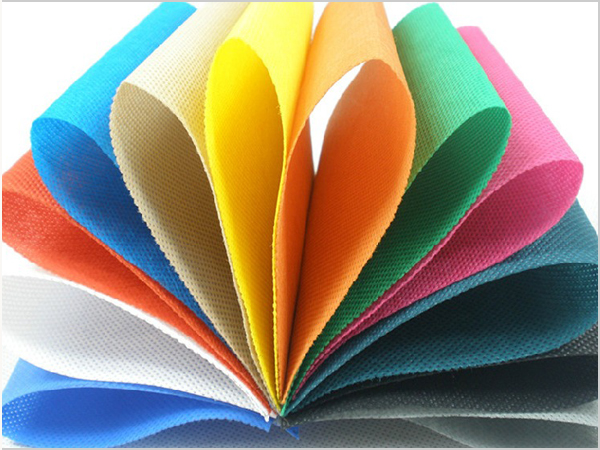
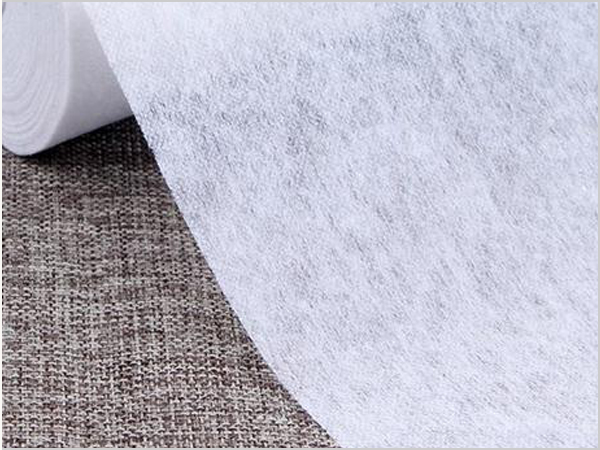
PP non-woven fabric, fully known as polypropylene non-woven fabric, is a non-woven material directly processed from polypropylene fibers through processes such as meltblown and spunbond. Unlike traditional textiles, it does not require spinning and weaving. Instead, fibers are combined and formed through physical or chemical methods. This production process is not only highly efficient but also significantly reduces energy consumption, making it an economical and environmentally friendly material option.
The core advantages of PP non-woven fabric
Environmentally friendly and degradable: Polypropylene, as a thermoplastic resin, can reduce environmental pollution through recycling and reuse. Some PP non-woven fabrics also support biodegradation, which is in line with the modern concept of sustainable development.
Lightweight and durable: PP non-woven fabric is light in weight but has excellent tensile strength and wear resistance, making it suitable for a wide range of usage scenarios.
Waterproof and antibacterial: Its hydrophobic property makes it less likely to breed bacteria in damp environments, and it is widely used in medical and hygiene fields.
Strong air permeability: The pore structure between the fibers ensures excellent air permeability, making it suitable for clothing and agricultural covering materials.
Low cost: The mature industrial production process and low raw material prices make PP non-woven fabric have high cost performance.
The wide application fields of PP non-woven fabric
Medical and health care: Disposable masks, protective suits, surgical gowns, etc. are all made of PP non-woven fabric to ensure safety and hygiene.
Agricultural horticulture: As an insulating and weed control fabric, it helps crops grow and reduces the use of pesticides at the same time.
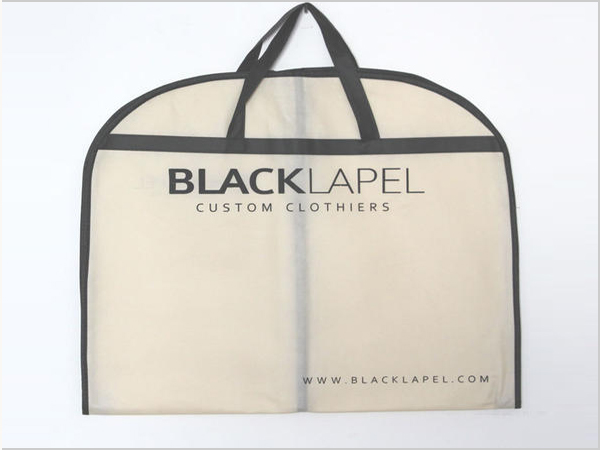
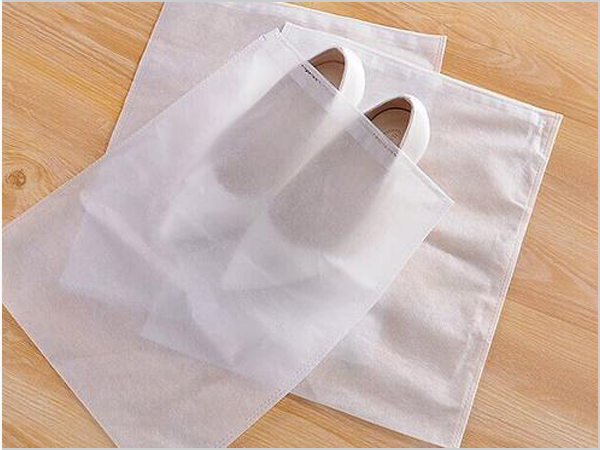
Home packaging: Shopping bags and home storage products are widely popular for their lightness and durability.
Industrial filtration: In air and water filtration systems, PP non-woven fabric can effectively intercept particulate matter.
Automobile interior: Used for seat cushions and sound insulation materials to enhance driving comfort.
- The future market for spunbond nonwoven fabrics will place greater emphasis on differentia
- Spunbond Nonwoven Fabric: Multi-field Applications and Scientific Selection Guide
- Observation on the Spunbond Nonwoven Fabric Market: Purchasing Becomes More Rational, Qual
- Common Applications and Selection Guidelines for Spunbond Nonwoven Fabrics
- The market application of spunbond non-woven fabric continues to deepen.
- A Guide for Selecting the Right Application for Nonwoven Fabrics with Spunbond Technology
- The application scope of spunbond non-woven fabric is continuously expanding, and downstre
- PP Nonwoven Fabric Purchase Guide: Understand These Points to Avoid Making Mistakes When S
- Is spunbond non-woven fabric durable? Let's find out!
- The industry's confidence has been fully restored, and the sector is witnessing a turning