- The future market for spunbond nonwoven fabrics will place greater emphasis on differentiated competition.
- Spunbond Nonwoven Fabric: Multi-field Applications and Scientific Selection Guide
- Observation on the Spunbond Nonwoven Fabric Market: Purchasing Becomes More Rational, Quality and Service Become Key Factors in Cooperation
- Common Applications and Selection Guidelines for Spunbond Nonwoven Fabrics
- The market application of spunbond non-woven fabric continues to deepen.

- Telephone: 0551- 66779966
- Cellphone: 18955130444
- Email: 58792982@qq.com
- Address: Building 1-2, East of Wubu Village Section, Hehuai Road, Wushan Town, Changfeng County, Hefei City, Anhui Province
Is spunbond non-woven fabric durable? Let's find out!
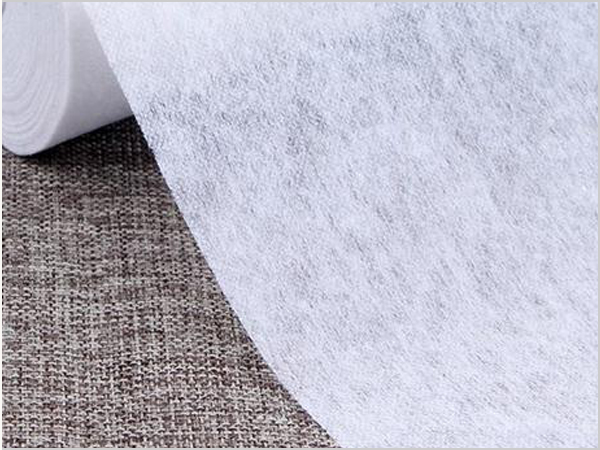
Spunbond non-woven fabric is a type of non-woven material made by extruding, stretching, forming a net, and consolidating continuous long fibers. Unlike the process of combing short fibers into a net, the spunbond method eliminates the steps of cutting and carding, resulting in uniform strength of the finished product and less tendency to shed fibers.
Polypropylene is a commonly used raw material for spunbond nonwoven fabrics. During production, the molten polymer is extruded as a thin stream from the spinneret, stretched into long filaments by high-speed air flow, evenly spread on the mesh screen, and then undergoes heat bonding by the hot rolling roller to form a smooth fabric surface. The weight range is usually between 8 grams and 200 grams per square meter, and the width can be customized as needed.
In terms of durability, spunbond non-woven fabric has a relatively high tensile strength and elongation at break. The strength differences in the longitudinal and transverse directions are small, making it suitable for subsequent processing such as cutting, printing, and laminating. The breathability and water permeability are between those of traditional fabrics and films, meeting the needs of hygiene products, packaging materials, agricultural coverings, and other fields.
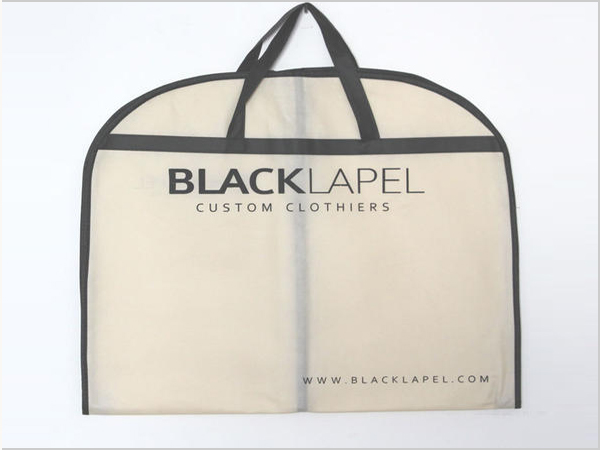
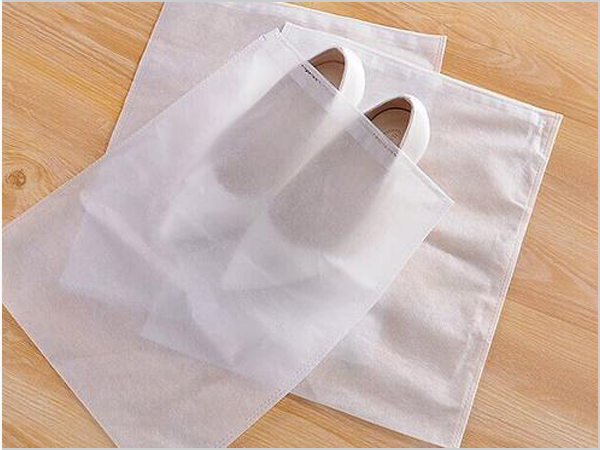
Application scenarios include: medical protective clothing, surgical caps, interlayer materials for masks; shopping bags, gift bags, cement packaging bags; disposable bed sheets, tablecloths, travel underwear; seedling cloth, weed-proof cloth, greenhouse insulation materials; sofa padding, mattress inner padding, shoe and hat accessories.
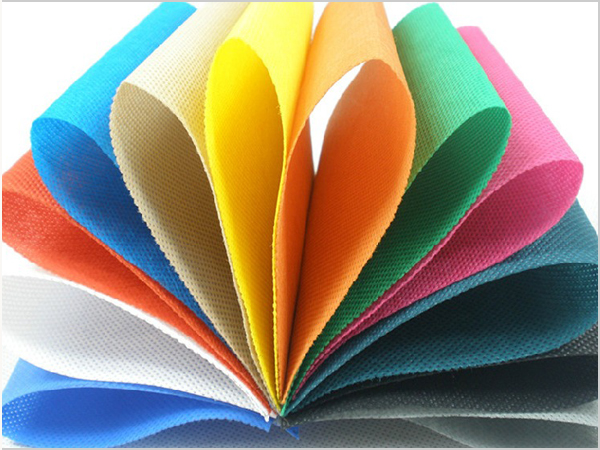
When choosing Spunbond non-woven fabric, it is necessary to confirm the face density, color, width, whether it is anti-aging or anti-static. Materials for outdoor use should be added with UV-resistant masterbatch to prevent brittleness after short-term exposure to sunlight. Products in contact with liquids need to test the static water pressure and water pressure resistance indicators.
Spunbond non-woven fabric is a recyclable material. The polypropylene type products can be re-ground after cleaning and melting, and then used to manufacture non-load-bearing plastic products. Reasonable selection and disposal of spunbond non-woven fabric helps to balance the convenience of use and environmental protection requirements.
- The future market for spunbond nonwoven fabrics will place greater emphasis on differentia
- Spunbond Nonwoven Fabric: Multi-field Applications and Scientific Selection Guide
- Observation on the Spunbond Nonwoven Fabric Market: Purchasing Becomes More Rational, Qual
- Common Applications and Selection Guidelines for Spunbond Nonwoven Fabrics
- The market application of spunbond non-woven fabric continues to deepen.
- A Guide for Selecting the Right Application for Nonwoven Fabrics with Spunbond Technology
- The application scope of spunbond non-woven fabric is continuously expanding, and downstre
- PP Nonwoven Fabric Purchase Guide: Understand These Points to Avoid Making Mistakes When S
- Is spunbond non-woven fabric durable? Let's find out!
- The industry's confidence has been fully restored, and the sector is witnessing a turning