- The future market for spunbond nonwoven fabrics will place greater emphasis on differentiated competition.
- Spunbond Nonwoven Fabric: Multi-field Applications and Scientific Selection Guide
- Observation on the Spunbond Nonwoven Fabric Market: Purchasing Becomes More Rational, Quality and Service Become Key Factors in Cooperation
- Common Applications and Selection Guidelines for Spunbond Nonwoven Fabrics
- The market application of spunbond non-woven fabric continues to deepen.

- Telephone: 0551- 66779966
- Cellphone: 18955130444
- Email: 58792982@qq.com
- Address: Building 1-2, East of Wubu Village Section, Hehuai Road, Wushan Town, Changfeng County, Hefei City, Anhui Province
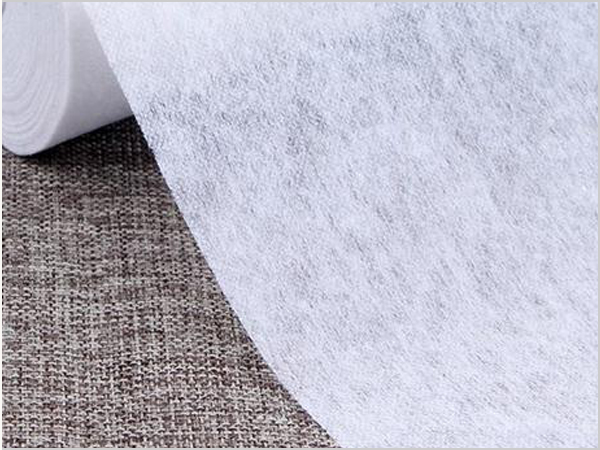
Spunbond nonwoven fabric is a common type of nonwoven material, which is produced through the direct web-forming technology of melt-spun fibers. The production process involves melting the polymer chips, extruding them through spinnerets to form continuous filaments, followed by air stretching, web laying and consolidation steps, ultimately resulting in a uniformly structured fabric material. This process enables spunbond nonwoven fabric to possess excellent mechanical properties and stable quality characteristics.
In terms of material properties, Spunbond nonwoven fabric exhibits high tensile strength and tear resistance, while maintaining a certain level of breathability. Due to the continuous and efficient production process, this material has significant advantages in large-scale manufacturing. In recent years, with the continuous improvement of production processes, spunbond non-woven fabric has also seen significant improvements in uniformity and feel.
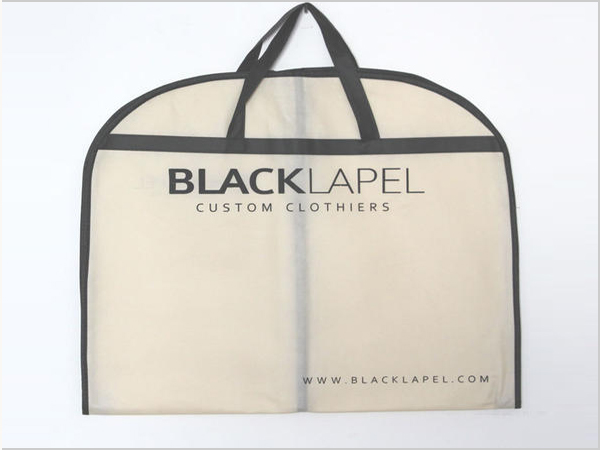
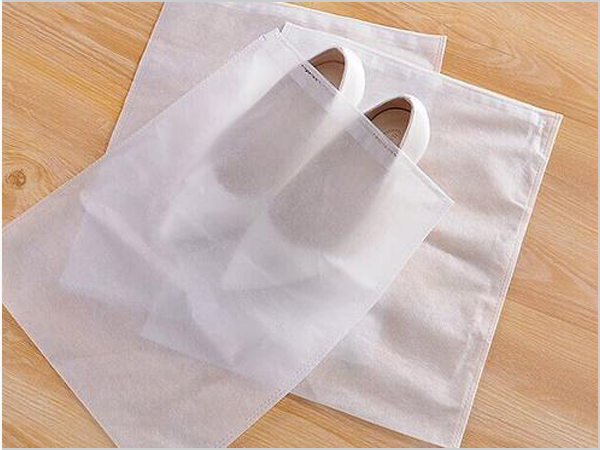
The application fields of Spunbond nonwoven fabric are very extensive. In the healthcare industry, spunbond non-woven fabric is used to manufacture medical protective suits, surgical gowns and other products, meeting the demand for disposable hygiene products. In the agricultural field, spunbond non-woven fabric is used as an agricultural covering material, which can help regulate soil temperature and humidity and promote crop growth. In home decoration, spunbond non-woven fabric is often used in wallpaper base materials, furniture padding and other products. Moreover, it can also be seen in industries such as automotive interiors and packaging materials.
Market data shows that the production of Spunbond nonwoven fabric holds a significant share in the global nonwoven fabric market. With the increasing awareness of environmental protection, the application of degradable raw materials in the production of spunbond nonwoven fabric is gradually expanding, driving the industry towards a sustainable development direction. Manufacturers have further enhanced the performance of spunbond nonwoven fabric by optimizing process parameters and adjusting raw material ratios.
In the future, the nonwoven fabric industry based on spunbonding will continue to focus on technological innovation and expand new application scenarios. The development of functional and differentiated products will become the key focus of enterprises, meeting the specific requirements of different fields for materials. The improvement of industry standards will also promote the overall quality improvement of spunbonded nonwoven fabrics.

- The future market for spunbond nonwoven fabrics will place greater emphasis on differentia
- Spunbond Nonwoven Fabric: Multi-field Applications and Scientific Selection Guide
- Observation on the Spunbond Nonwoven Fabric Market: Purchasing Becomes More Rational, Qual
- Common Applications and Selection Guidelines for Spunbond Nonwoven Fabrics
- The market application of spunbond non-woven fabric continues to deepen.
- A Guide for Selecting the Right Application for Nonwoven Fabrics with Spunbond Technology
- The application scope of spunbond non-woven fabric is continuously expanding, and downstre
- PP Nonwoven Fabric Purchase Guide: Understand These Points to Avoid Making Mistakes When S
- Is spunbond non-woven fabric durable? Let's find out!
- The industry's confidence has been fully restored, and the sector is witnessing a turning