- The future market for spunbond nonwoven fabrics will place greater emphasis on differentiated competition.
- Spunbond Nonwoven Fabric: Multi-field Applications and Scientific Selection Guide
- Observation on the Spunbond Nonwoven Fabric Market: Purchasing Becomes More Rational, Quality and Service Become Key Factors in Cooperation
- Common Applications and Selection Guidelines for Spunbond Nonwoven Fabrics
- The market application of spunbond non-woven fabric continues to deepen.

- Telephone: 0551- 66779966
- Cellphone: 18955130444
- Email: 58792982@qq.com
- Address: Building 1-2, East of Wubu Village Section, Hehuai Road, Wushan Town, Changfeng County, Hefei City, Anhui Province
Advantages of non-woven fabric
1. Non-woven fabrics are light in weight: Polypropylene resin is used as the main raw material for production, with a specific gravity of only 0.9, only three-fifths of cotton. It is fluffy and feels good.
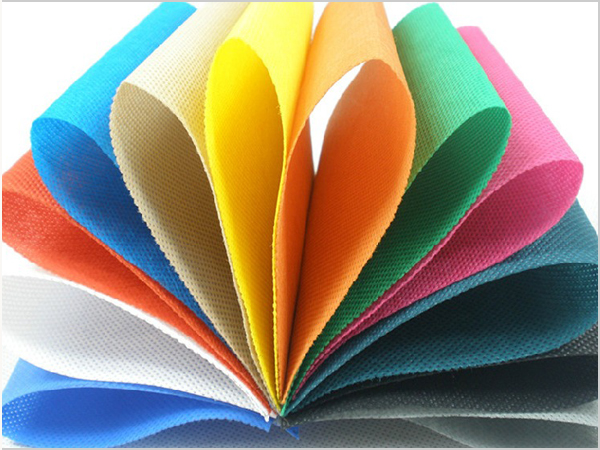
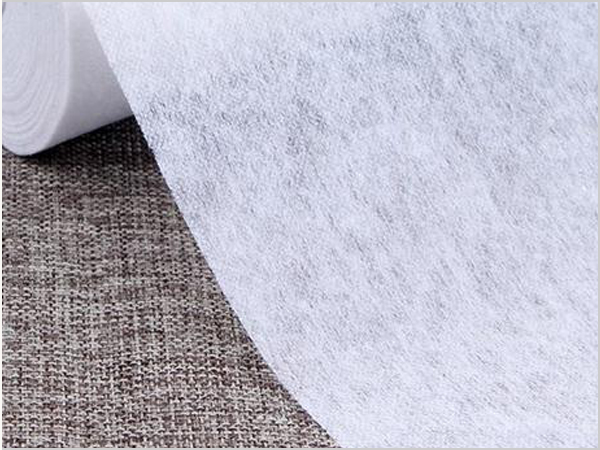
2. Non-woven fabric is soft: It is composed of fine fibers (2-3D) and is formed by light-point hot-melt bonding. The finished product is moderately soft and comfortable.
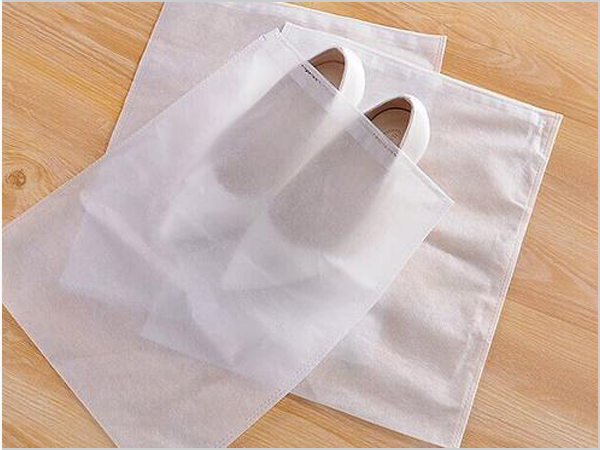
3. Non-woven fabric is water-repellent and breathable: Polypropylene chips do not absorb water, have zero water content, and have good water-repellency. It is composed of 100% fiber and has good air permeability. It is easy to keep the cloth dry and easy to wash.
4. Non-woven fabric Non-toxic, non-irritating: The product is produced with FDA food-grade raw materials, does not contain other chemical ingredients, has stable performance, is non-toxic, non-odor, and does not irritate the skin.
5. Non-woven antibacterial and anti-chemical agents: Polypropylene is a chemically blunt substance, not moth-eaten, and can isolate the corrosion of bacteria and insects in the liquid; antibacterial, alkali corrosion, and the strength of the finished product will not be affected by erosion.
6. Non-woven fabric has antibacterial properties. The product is water-repellent, not moldy, and can isolate the erosion of bacteria and insects in the liquid, and is not moldy.
7. The non-woven fabric has good physical properties. It is made of polypropylene spun yarn directly spread into a net and thermally bonded. The strength of the product is better than that of ordinary staple fiber products.
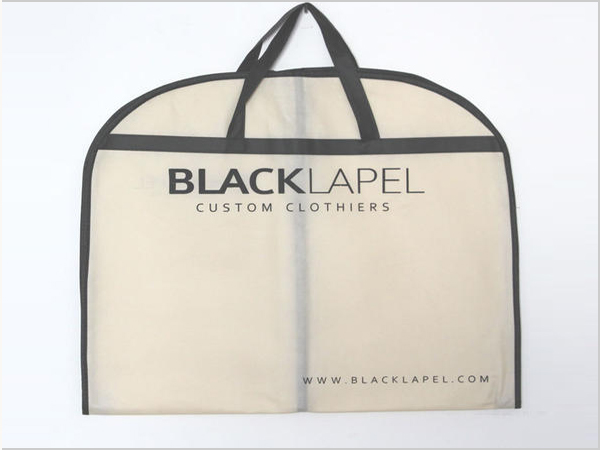
8. In terms of environmental protection, most non-woven fabrics used are made of polypropylene, while plastic bags are made of polyethylene. Although the names of the two substances are similar, their chemical structures are far apart. The chemical molecular structure of polyethylene is very stable and extremely difficult to decompose, so it takes 300 years for plastic bags to be decomposed; while the chemical structure of polypropylene is not strong, the molecular chain can be easily broken, which can be effectively degraded , And enter the next environmental cycle in a non-toxic form, a non-woven plastic bag can be completely decomposed within 90 days. Moreover, the non-woven shopping bag can be reused more than 10 times, and the pollution to the environment after disposal is only 10% of that of plastic bags.
- The future market for spunbond nonwoven fabrics will place greater emphasis on differentia
- Spunbond Nonwoven Fabric: Multi-field Applications and Scientific Selection Guide
- Observation on the Spunbond Nonwoven Fabric Market: Purchasing Becomes More Rational, Qual
- Common Applications and Selection Guidelines for Spunbond Nonwoven Fabrics
- The market application of spunbond non-woven fabric continues to deepen.
- A Guide for Selecting the Right Application for Nonwoven Fabrics with Spunbond Technology
- The application scope of spunbond non-woven fabric is continuously expanding, and downstre
- PP Nonwoven Fabric Purchase Guide: Understand These Points to Avoid Making Mistakes When S
- Is spunbond non-woven fabric durable? Let's find out!
- The industry's confidence has been fully restored, and the sector is witnessing a turning