- The future market for spunbond nonwoven fabrics will place greater emphasis on differentiated competition.
- Spunbond Nonwoven Fabric: Multi-field Applications and Scientific Selection Guide
- Observation on the Spunbond Nonwoven Fabric Market: Purchasing Becomes More Rational, Quality and Service Become Key Factors in Cooperation
- Common Applications and Selection Guidelines for Spunbond Nonwoven Fabrics
- The market application of spunbond non-woven fabric continues to deepen.

- Telephone: 0551- 66779966
- Cellphone: 18955130444
- Email: 58792982@qq.com
- Address: Building 1-2, East of Wubu Village Section, Hehuai Road, Wushan Town, Changfeng County, Hefei City, Anhui Province
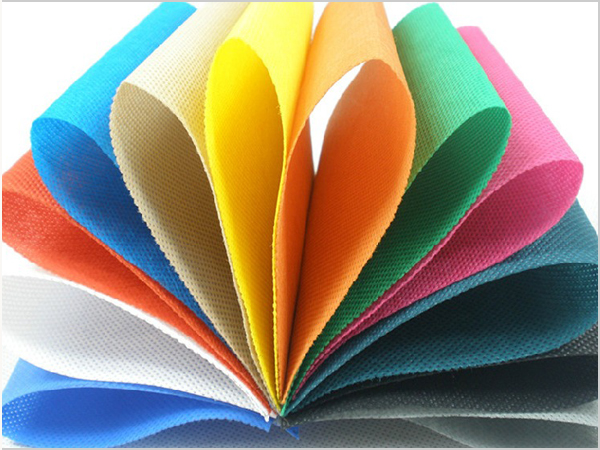
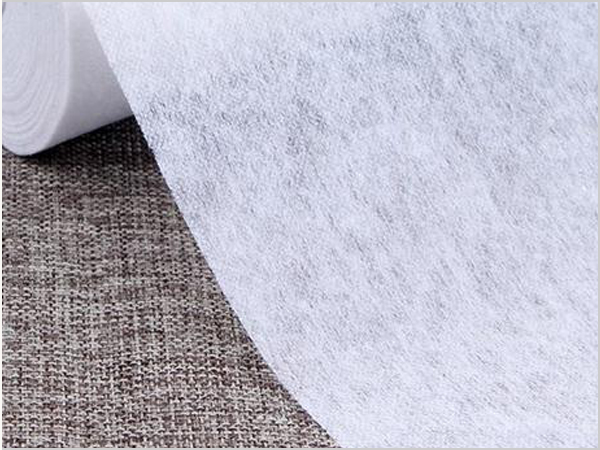
What is a spun-bonded non-woven fabric? Its main materials are polyester and polypropylene, with high strength and high temperature resistance. The spunbond non-woven fabric extrudes and stretches the polymer to form continuous filaments. into non-woven fabric.
Medical and sanitary products mainly use spun-bonded non-woven fabrics, among which polypropylene spun-bonded non-woven fabrics are mostly used. Polypropylene spunbond non-woven fabrics have good high temperature resistance and high temperature resistance (polypropylene can be used for a long time in the environment of 150 °C, polyester can be used for a long time in the environment of 260 °C), aging resistance, UV resistance, high elongation, stability And good air permeability, corrosion resistance, sound insulation, moth-proof, non-toxic and other advantages. There are 20 million newborns in my country every year, and the diaper market is also huge. At the same time, there is a huge space for disposable surgical gowns and bedding used in hospital operating rooms and wards.
What are the specific applications of spun-bonded non-woven fabrics:
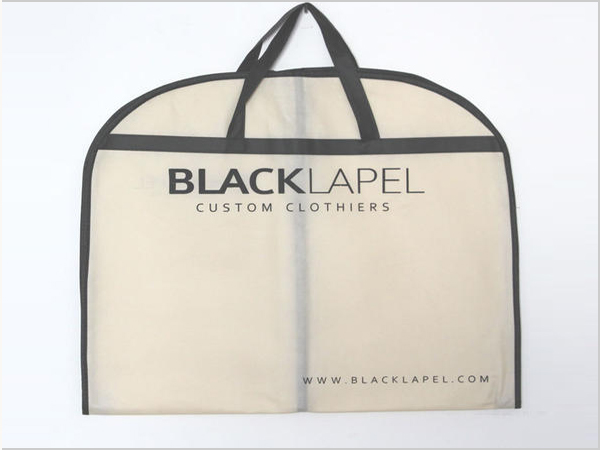
1. Spunbond non-woven fabrics can be widely used in shopping bags, gift bags, handbags, information bags, carpets and base fabrics, wall materials, furniture decoration, dust-proof cloth, spring wrapping cloth, isolation cloth, audio cloth, bed Supplies and curtains, rags and other household daily necessities industry.
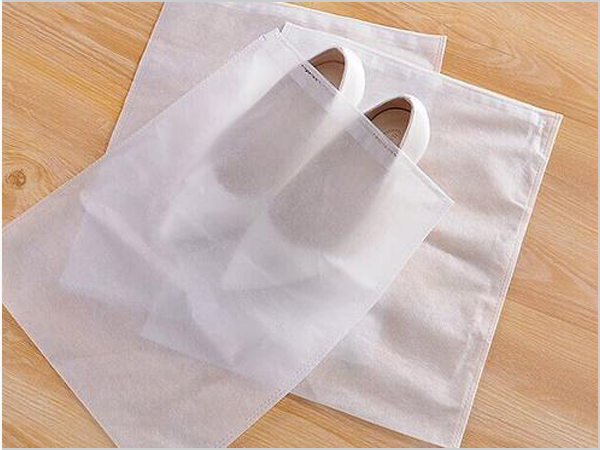
2. Spunbond non-woven fabrics can be widely used in clinical supplies, surgical gowns, hats, shoe covers, bandages, bandages, wet towels, cotton balls, masks, sterilization cloths, sanitary napkins, diapers, vacuum bags, travel underwear, Incontinence products, wet and dry wipes, cosmetic paper, sanitary materials and other medical and health industries.
3. It can be widely used in car carpets, roofs, door trims, composite materials, seat materials, wall protection materials, etc.
4. It can be widely used in agricultural and horticultural industries such as thermal insulation coverage, frost protection, insect control, lawn protection, plant mulch, seedling cloth, soilless cultivation, artificial vegetation and so on.
5. Spunbond non-woven fabrics can be widely used in coating cloths, polishing materials, wiping cloths, sterile clothing, abrasive products, cable wrapping cloths, battery separators, tapes, protective clothing, lab coats, flame retardant cloths, conveyor belts , Use disposable felt, papermaking felt, sound-absorbing felt and other industrial aspects.
- The future market for spunbond nonwoven fabrics will place greater emphasis on differentia
- Spunbond Nonwoven Fabric: Multi-field Applications and Scientific Selection Guide
- Observation on the Spunbond Nonwoven Fabric Market: Purchasing Becomes More Rational, Qual
- Common Applications and Selection Guidelines for Spunbond Nonwoven Fabrics
- The market application of spunbond non-woven fabric continues to deepen.
- A Guide for Selecting the Right Application for Nonwoven Fabrics with Spunbond Technology
- The application scope of spunbond non-woven fabric is continuously expanding, and downstre
- PP Nonwoven Fabric Purchase Guide: Understand These Points to Avoid Making Mistakes When S
- Is spunbond non-woven fabric durable? Let's find out!
- The industry's confidence has been fully restored, and the sector is witnessing a turning