- The future market for spunbond nonwoven fabrics will place greater emphasis on differentiated competition.
- Spunbond Nonwoven Fabric: Multi-field Applications and Scientific Selection Guide
- Observation on the Spunbond Nonwoven Fabric Market: Purchasing Becomes More Rational, Quality and Service Become Key Factors in Cooperation
- Common Applications and Selection Guidelines for Spunbond Nonwoven Fabrics
- The market application of spunbond non-woven fabric continues to deepen.

- Telephone: 0551- 66779966
- Cellphone: 18955130444
- Email: 58792982@qq.com
- Address: Building 1-2, East of Wubu Village Section, Hehuai Road, Wushan Town, Changfeng County, Hefei City, Anhui Province
The textile and chemical fiber industry is a "hard-hit area" for anti-dumping investigations.
Analysis by the China Chamber of Commerce for Import and Export of Textiles and Apparel reveals three notable characteristics of trade remedy investigations targeting Chinese textile and apparel products in 2024, further highlighting the plight of the textile and chemical fiber industry.
First, the number of cases and the value involved reached new highs, encompassing the entire supply chain. In 2024, the textile and apparel industry experienced 25 trade friction cases, a year-on-year increase of 14%; the value involved reached US$1.63 billion, a year-on-year increase of 26%. From textile raw materials such as synthetic fibers to finished garments such as clothing, the products involved span the entire supply chain, encompassing virtually every category.
Second, chemical fiber products have become a core target of investigations. As a key raw material in the textile and apparel industry, chemical fiber products are widely used in various fields due to their excellent properties, such as high strength, good wear resistance, and easy washing. However, with the growing awareness of trade protection among foreign chemical fiber companies, chemical fiber products have gradually become a key target of trade remedy investigations. Of the 25 textile and apparel trade frictions in 2024, nearly half involved chemical fiber products. Turkey, the United States, India, Indonesia, Pakistan, Mexico, and Brazil were the main initiators, with Turkey launching six investigations, the United States and Brazil four each, and India, Indonesia, Pakistan, and Mexico two each.
Third, trade frictions have a significant international transmission effect, with similar products facing "blockades" from multiple countries. When one country initiates a trade remedy investigation against a particular product, it often triggers other countries or competing companies to follow suit, creating a chain reaction. For example, nylon filament yarn has been the subject of 10 trade remedy investigations by India, Brazil, and Turkey since 2005, involving a total of approximately US$440 million. This demonstrates a significant international transmission effect.
Disclaimer: The content of this article is compiled from the internet and the copyright belongs to the original author. If any infringement occurs, please notify us promptly for removal.
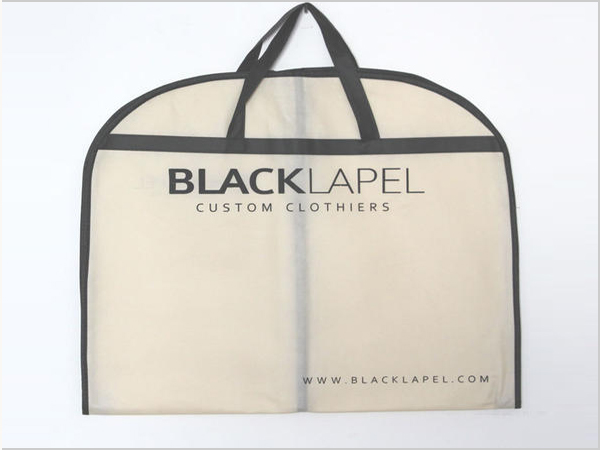
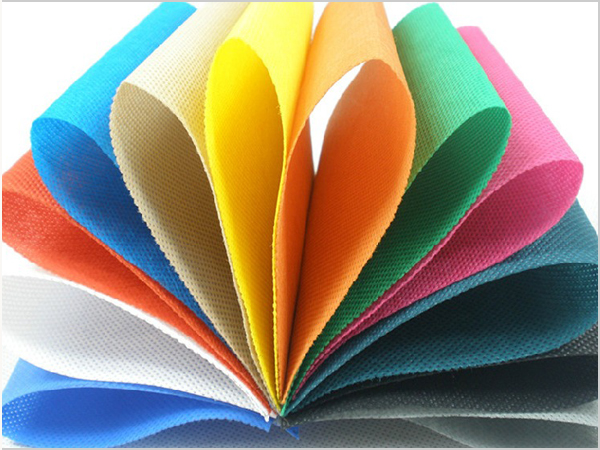
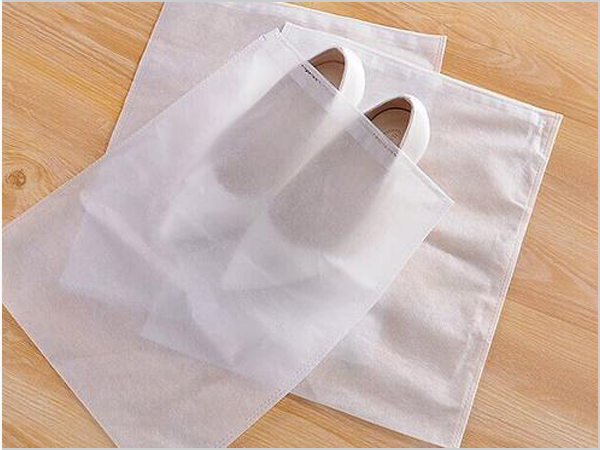
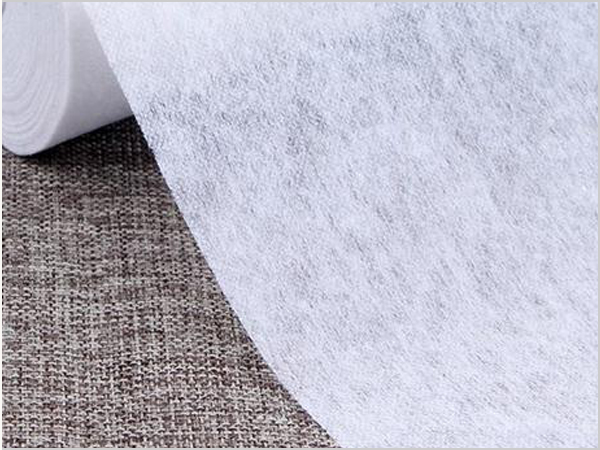
- The future market for spunbond nonwoven fabrics will place greater emphasis on differentia
- Spunbond Nonwoven Fabric: Multi-field Applications and Scientific Selection Guide
- Observation on the Spunbond Nonwoven Fabric Market: Purchasing Becomes More Rational, Qual
- Common Applications and Selection Guidelines for Spunbond Nonwoven Fabrics
- The market application of spunbond non-woven fabric continues to deepen.
- A Guide for Selecting the Right Application for Nonwoven Fabrics with Spunbond Technology
- The application scope of spunbond non-woven fabric is continuously expanding, and downstre
- PP Nonwoven Fabric Purchase Guide: Understand These Points to Avoid Making Mistakes When S
- Is spunbond non-woven fabric durable? Let's find out!
- The industry's confidence has been fully restored, and the sector is witnessing a turning