- The future market for spunbond nonwoven fabrics will place greater emphasis on differentiated competition.
- Spunbond Nonwoven Fabric: Multi-field Applications and Scientific Selection Guide
- Observation on the Spunbond Nonwoven Fabric Market: Purchasing Becomes More Rational, Quality and Service Become Key Factors in Cooperation
- Common Applications and Selection Guidelines for Spunbond Nonwoven Fabrics
- The market application of spunbond non-woven fabric continues to deepen.

- Telephone: 0551- 66779966
- Cellphone: 18955130444
- Email: 58792982@qq.com
- Address: Building 1-2, East of Wubu Village Section, Hehuai Road, Wushan Town, Changfeng County, Hefei City, Anhui Province
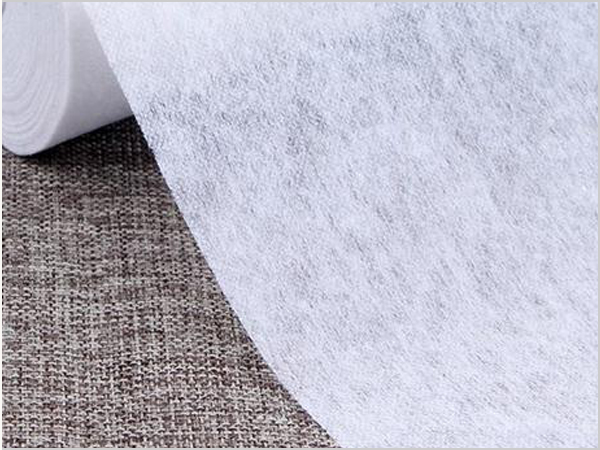
Spunbond nonwoven fabric, as a common type of nonwoven material, is widely used in various industries. This material is formed by using continuous filament fibers through spinning and direct webbing techniques, featuring a stable structure and uniform appearance. Its production process is relatively efficient and can meet the demands of large-scale production.
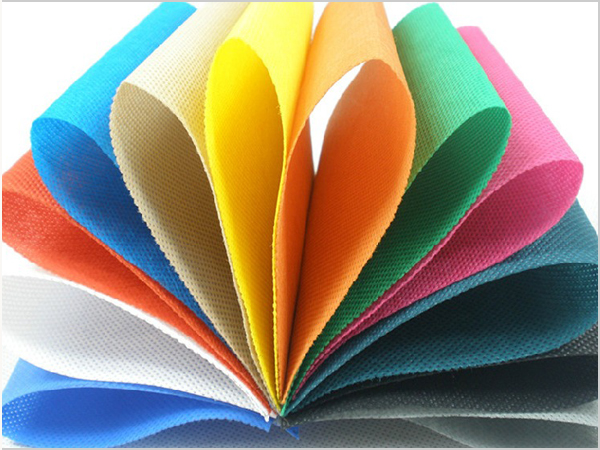
In terms of properties, Spunbond nonwoven fabric exhibits excellent strength, is not prone to deformation, and can withstand certain tension. At the same time, this material has good air permeability and is suitable for applications requiring air circulation. In terms of filtration and isolation, spunbond non-woven fabric also performs well, effectively blocking fine particles. Moreover, this material has a moderate degree of softness and does not cause irritation, making it suitable for direct contact with the skin.
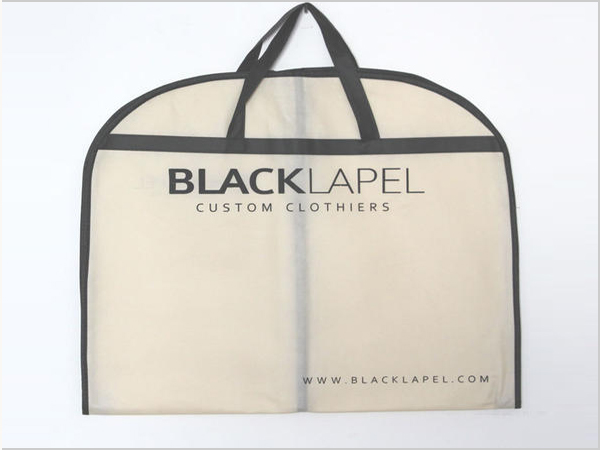
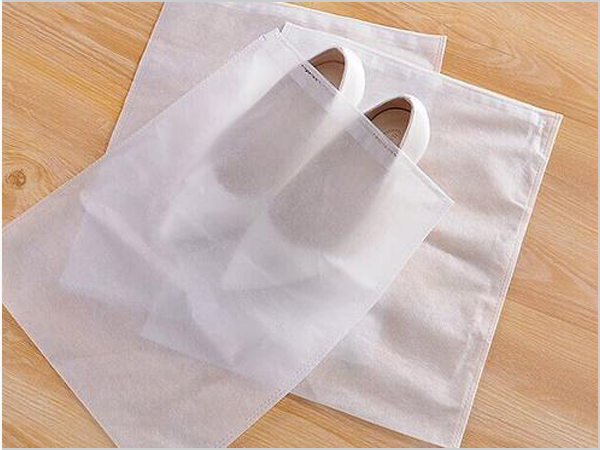
The application scope of Spunbond nonwoven fabric is quite wide. In the medical field, it is often used to make protective items, such as the outer layer of masks and medical bed sheets. In agriculture, spunbond non-woven fabric can be used for heat insulation covering to help regulate the growth environment of crops. In household products, this material appears in shopping bags and decorative fabrics. In the industrial field, its filtering properties are utilized for the primary filtering layer in air and water treatment.
With the advancement of technology, the production process of Spunbond nonwoven fabric has been continuously optimized, and the material performance has been enhanced. By adjusting the raw material ratio and improving the production technology, specific functions of the material can be enhanced, such as improving flame retardancy or increasing waterproof performance. These improvements have expanded the application possibilities of spunbond nonwoven fabric.
When choosing spunbond non-woven fabric, specific requirements need to be considered, including the required strength level, breathability requirements, and application environment. Different specifications of spunbond non-woven fabric vary in terms of weight, thickness, and fiber fineness, and these factors directly affect the usage effect.
Spunbond nonwoven fabric, as a practical material, has been exerting its influence in various fields through continuous technological advancements. Understanding its characteristics and applicable scenarios is beneficial for the rational utilization of this material.
Anhui Xianshu Nonwoven Fabric Technology Co., Ltd. is located in Wushan Town, Changfeng County, Hefei City, Anhui Province. It is close to Jiangsu, Zhejiang and Shanghai, with convenient transportation. The company covers an area of 42 acres. It was established in July 2019 with a registered capital of 10 million yuan. The company is committed to the development and production of environmentally friendly non-woven consumables. It is an emerging production enterprise with complete equipment and strong technical strength. It has been rated as a key investment attraction enterprise in Xinqiao Industrial Zone of Hefei City. Currently, the company has PP non-woven fabric and polypropylene spunbond non-woven fabric production lines with widths ranging from 1.8 meters to 3.2 meters and weights ranging from 9 to 250 g/m. The products are green and environmentally friendly products with features such as flame retardancy, anti-aging, anti-static, acid and alkali resistance, non-toxicity, pollution-free, and degradability. Our company's main business scope includes: non-woven fabric, non-woven fabric products, research and development, production and sales of non-woven fabric new materials; manufacturing and sales of chemical fiber equipment and non-woven fabric equipment; research and development, production and sales of functional mother mixtures for plastic resins; research and development, production and sales of outdoor products; research and development, production and sales of PE woven tarpaulins, furniture covers, plastic nets, trash cans, plastic flower houses.
- The future market for spunbond nonwoven fabrics will place greater emphasis on differentia
- Spunbond Nonwoven Fabric: Multi-field Applications and Scientific Selection Guide
- Observation on the Spunbond Nonwoven Fabric Market: Purchasing Becomes More Rational, Qual
- Common Applications and Selection Guidelines for Spunbond Nonwoven Fabrics
- The market application of spunbond non-woven fabric continues to deepen.
- A Guide for Selecting the Right Application for Nonwoven Fabrics with Spunbond Technology
- The application scope of spunbond non-woven fabric is continuously expanding, and downstre
- PP Nonwoven Fabric Purchase Guide: Understand These Points to Avoid Making Mistakes When S
- Is spunbond non-woven fabric durable? Let's find out!
- The industry's confidence has been fully restored, and the sector is witnessing a turning