- Observation on the Spunbond Nonwoven Fabric Market: Purchasing Becomes More Rational, Quality and Service Become Key Factors in Cooperation
- Common Applications and Selection Guidelines for Spunbond Nonwoven Fabrics
- The market application of spunbond non-woven fabric continues to deepen.
- A Guide for Selecting the Right Application for Nonwoven Fabrics with Spunbond Technology
- The application scope of spunbond non-woven fabric is continuously expanding, and downstream procurement is becoming more rational.

- Telephone: 0551- 66779966
- Cellphone: 18955130444
- Email: 58792982@qq.com
- Address: Building 1-2, East of Wubu Village Section, Hehuai Road, Wushan Town, Changfeng County, Hefei City, Anhui Province
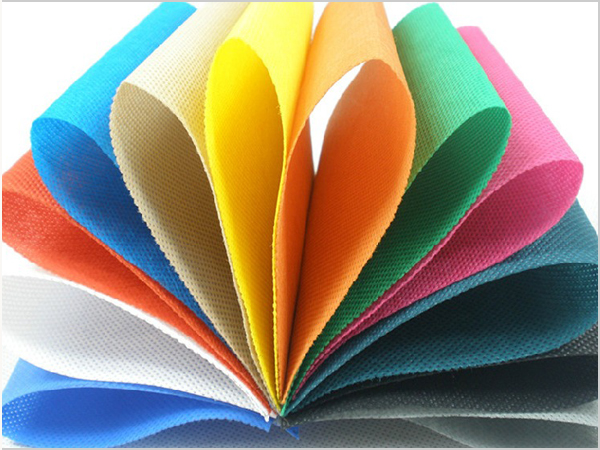
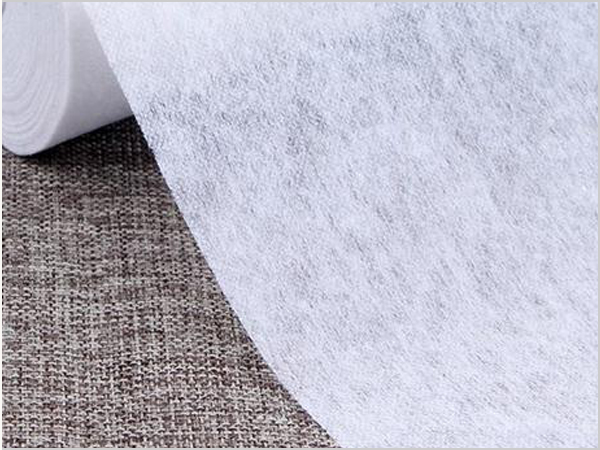
In the modern nonwoven materials field, spunbond nonwoven fabric, due to its stable physical properties, has become the preferred material for multiple industrial processes. This type of material is produced through a series of continuous processes such as spinning, stretching, laying, and hot rolling. The production process of this material results in the characteristic of balanced strength distribution in both the longitudinal and transverse directions.
From the perspective of raw materials, polypropylene spunbond nonwoven fabric is a common type in the market. Polypropylene chips are melted at high temperatures to form continuous filaments, which enables the finished product to have good elongation at break and tear resistance. Many non-woven fabric manufacturers will adjust the shape of the hot rolling points and the temperature of the rollers according to the final application purpose to control the balance between softness and stiffness. Compared with traditional textile fabrics, spunbond non-woven fabric has lower production energy consumption, and the leftover materials can be recycled and granulated again, which reduces material loss.
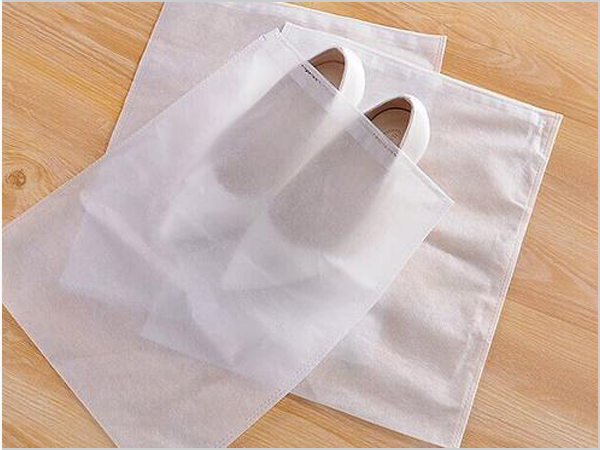
For outdoor or humid environments, water-repellent non-woven fabric becomes a practical solution. By adding hydrophobic components to the spinning oil or post-treatment auxiliaries, the contact angle can exceed 90 degrees, causing liquids to roll off the surface rather than penetrate it. This property has direct applications in medical protection, hygiene products, agricultural coverings, and drainage board encapsulation in civil engineering. Additionally, by adjusting the amount of hydrophilic masterbatch added, a selective wetting surface that allows for the penetration of water can be achieved while maintaining mechanical strength.
When handling spunbond nonwoven fabric, it is necessary to pay attention to the matching of its thermal shrinkage rate with the usage temperature. The Vicat softening point of polypropylene material is approximately 150 degrees Celsius. Long-term exposure to heat may lead to changes in the microstructure. Manufacturers of non-woven fabrics usually mark the difference in thermal shrinkage along the length and width in the product specification table. Purchasers can make directional requirements based on the actual processing techniques (such as heat sealing, ultrasonic welding).
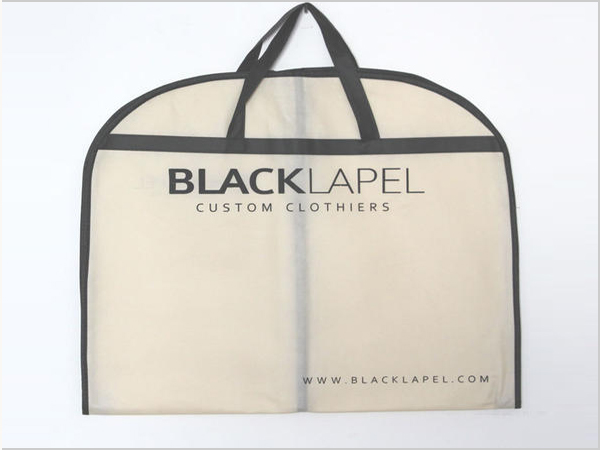
From an environmental perspective, spunbond nonwoven fabric has the characteristic of recyclability. Some enterprises use recycled polypropylene to produce colored layers or core layers, forming a two-component structure. This not only reduces the cost of raw materials but also maintains the overall strength of the material. Whether it is agricultural weed control fabric, furniture padding, or shopping bags, the lightweight and corrosion-resistant features of these materials result in a longer replacement cycle. For engineering scenarios that require both strength and water-repellent performance, polypropylene spunbond water-repellent non-woven fabric can be a reliable option.
- Observation on the Spunbond Nonwoven Fabric Market: Purchasing Becomes More Rational, Qual
- Common Applications and Selection Guidelines for Spunbond Nonwoven Fabrics
- The market application of spunbond non-woven fabric continues to deepen.
- A Guide for Selecting the Right Application for Nonwoven Fabrics with Spunbond Technology
- The application scope of spunbond non-woven fabric is continuously expanding, and downstre
- PP Nonwoven Fabric Purchase Guide: Understand These Points to Avoid Making Mistakes When S
- Is spunbond non-woven fabric durable? Let's find out!
- The industry's confidence has been fully restored, and the sector is witnessing a turning
- Why is it said that spunbond non-woven fabric has the characteristic of recyclability?
- Cambodia's export growth strengthens its linkage with China's PTA.