- Why is it said that spunbond non-woven fabric has the characteristic of recyclability?
- Cambodia's export growth strengthens its linkage with China's PTA.
- Let's take a look at the production process of spunbond non-woven fabric!
- The United States extends the exemption for Russian oil, providing a short-term respite for the textile industry
- The durable performance of spunbond non-woven fabric in industrial and daily-use applications!

- Telephone: 0551- 66779966
- Cellphone: 18955130444
- Email: 58792982@qq.com
- Address: Building 1-2, East of Wubu Village Section, Hehuai Road, Wushan Town, Changfeng County, Hefei City, Anhui Province
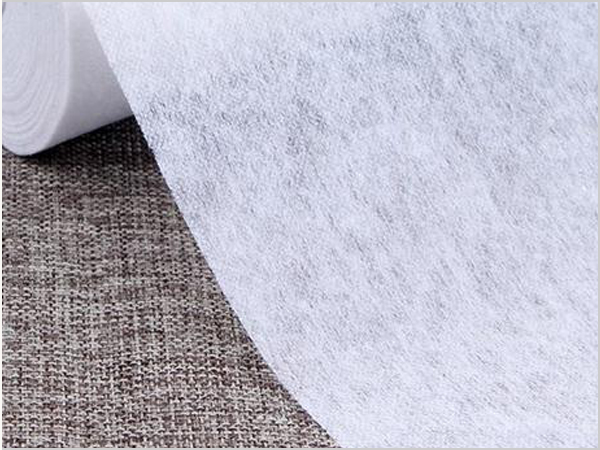
In the masks on supermarket shelves, in the textures of shopping bags in malls, and behind the softness of clean wet wipes, a material called PP non-woven fabric is quietly supporting countless scenes of modern life. This fiber material, which is directly formed from polypropylene through physical processes such as meltblown and spunbond, is little known but has become an indispensable part of contemporary industry and daily life.
In the field of medical and health care, PP non-woven fabric builds the first line of defense for safeguarding life. From disposable masks and protective suits to surgical gowns and disinfectant coverings, their natural hydrophobicity, good air permeability and excellent bacterial barrier ability play a key role in epidemic prevention and control as well as medical operations. These lightweight materials not only provide effective protection for medical staff, but also maintain a highly clean medical environment with their characteristics of being sterilizable and having no fiber shedding.
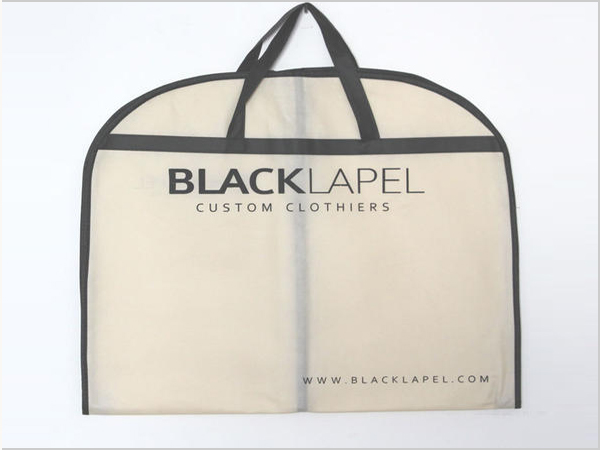
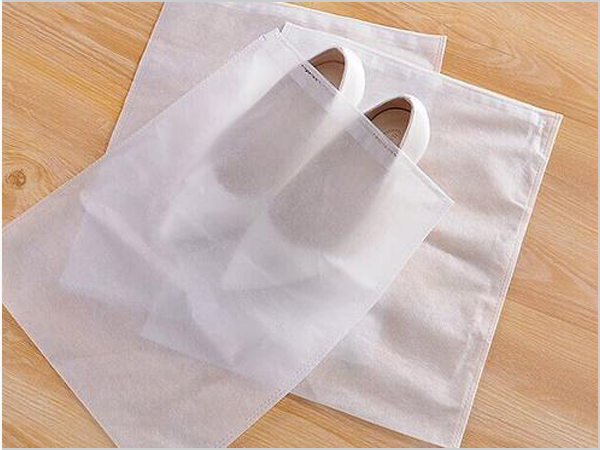
In terms of daily consumption, PP non-woven fabric is everywhere. Eco-friendly shopping bags, with their sturdiness, durability and recyclability, have become an important alternative to plastic products. Household storage boxes and wallpaper base fabrics, with their stable performance and diverse textures, decorate modern living Spaces. Personal care products such as wet wipes and facial masks benefit from their softness, skin-friendliness and high strength, providing consumers with a comfortable and reassuring usage experience.
In industrial and agricultural production, PP non-woven fabric also demonstrates astonishing versatility. It is used as a covering material for heat preservation and pest control in agriculture, helping crops grow. It serves as the reinforcing framework for waterproofing membranes in the construction industry, enhancing the quality of projects. In the field of filtration, its fine fiber network can effectively separate impurities and serve multiple industries such as air purification and water treatment.
From medical and health care to daily consumption, from industrial production to environmental protection, PP non-woven fabric, with its unique material properties and flexible application forms, quietly supports the operation of modern society. It is not conspicuous, yet everywhere. It is very simple but powerful. In this era that emphasizes health, convenience and sustainability, PP non-woven fabric will continue to weave a safer and more comfortable future for human life in its simple and unadorned way.
- Why is it said that spunbond non-woven fabric has the characteristic of recyclability?
- Cambodia's export growth strengthens its linkage with China's PTA.
- Let's take a look at the production process of spunbond non-woven fabric!
- The United States extends the exemption for Russian oil, providing a short-term respite fo
- The durable performance of spunbond non-woven fabric in industrial and daily-use applicati
- What is spunbond non-woven fabric?
- Spunbond non-woven fabric has become an indispensable basic material!
- Overcoming the employment crisis in the textile industry and reshaping a new stable employ
- How does spunbond non-woven fabric become the basic raw material for multiple industries?
- The application scope of spunbond non-woven fabric is quite extensive!