- The application scope of spunbond non-woven fabric is continuously expanding, and downstream procurement is becoming more rational.
- PP Nonwoven Fabric Purchase Guide: Understand These Points to Avoid Making Mistakes When Selecting Materials
- Is spunbond non-woven fabric durable? Let's find out!
- The industry's confidence has been fully restored, and the sector is witnessing a turning point of recovery.
- Why is it said that spunbond non-woven fabric has the characteristic of recyclability?

- Telephone: 0551- 66779966
- Cellphone: 18955130444
- Email: 58792982@qq.com
- Address: Building 1-2, East of Wubu Village Section, Hehuai Road, Wushan Town, Changfeng County, Hefei City, Anhui Province
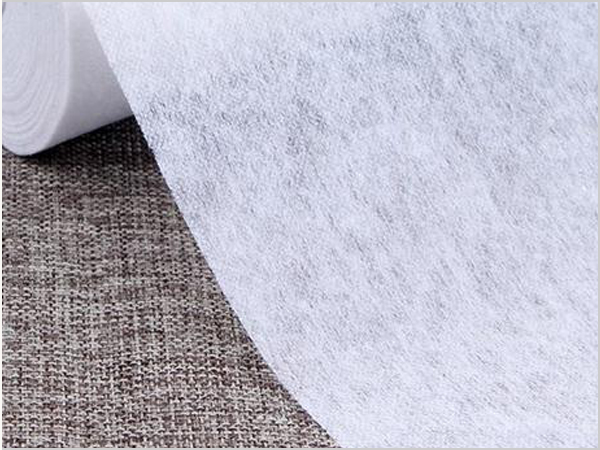
When looking for industrial packaging or daily consumable materials, spunbond non-woven fabric is a worthy option to consider. Its production process involves continuous filament hot-pressing to form the material, which gives it good tensile strength and wear resistance. Compared to traditional textiles, this durable non-woven fabric material does not require the weaving process, so the production cycle is shorter and the cost is more controllable.
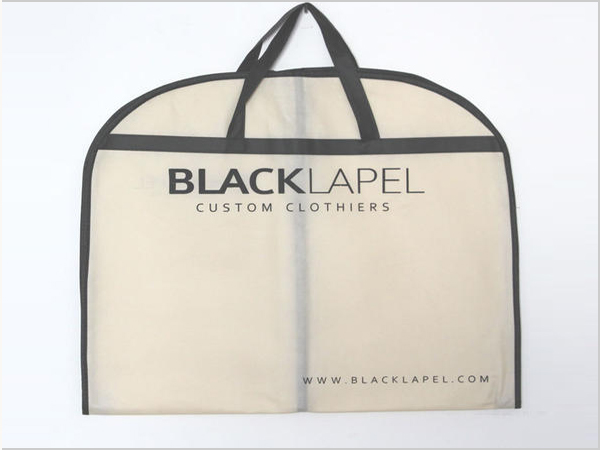
The issue of breaking strength that many customers are concerned about is relatively stable in polypropylene spunbond non-woven fabric. The filament structure makes the tear strength in both the horizontal and vertical directions relatively balanced, and it is less likely to suffer from stress concentration-induced damage. Common applications include hospital isolation gowns, agricultural covering films, cement packaging bags, and shopping bags, etc. For example, using high-weight spunbond non-woven fabric as the reinforcing layer in cement bags can reduce the risk of package breakage during transportation while retaining certain breathability to prevent moisture absorption and clumping.
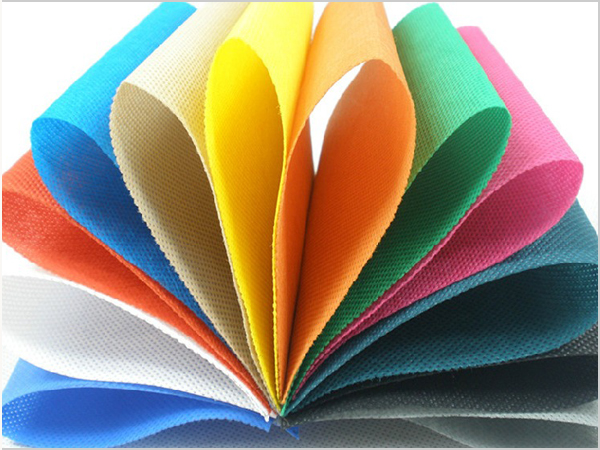
Customized eco-friendly non-woven fabric is also becoming a trend. Some factories provide spunbond non-woven fabric that supports the addition of anti-static, flame retardant, or UV-resistant masterbatches to meet the needs of different scenarios. In addition, this material can be recycled and re-ground after being crushed, reducing the pressure of waste disposal.
When purchasing, you can pay attention to whether the raw materials are produced from new materials. The polypropylene spunbond non-woven fabric made from brand-new polypropylene granules has a more uniform surface, less odor, and no pinholes or thin spots. Regarding storage, it is recommended to store it in a cool and dry place, avoiding prolonged exposure to ultraviolet rays. Although some products have added UV-resistant additives, the basic material may still age more rapidly due to strong light.
Overall, polypropylene spunbond non-woven fabric achieves a good balance between strength, cost control and environmental friendliness. Whether for industrial protection or daily storage, choosing a durable non-woven fabric material with the appropriate weight and formula can meet the requirements for long-term use.
- The application scope of spunbond non-woven fabric is continuously expanding, and downstre
- PP Nonwoven Fabric Purchase Guide: Understand These Points to Avoid Making Mistakes When S
- Is spunbond non-woven fabric durable? Let's find out!
- The industry's confidence has been fully restored, and the sector is witnessing a turning
- Why is it said that spunbond non-woven fabric has the characteristic of recyclability?
- Cambodia's export growth strengthens its linkage with China's PTA.
- Let's take a look at the production process of spunbond non-woven fabric!
- The United States extends the exemption for Russian oil, providing a short-term respite fo
- The durable performance of spunbond non-woven fabric in industrial and daily-use applicati
- What is spunbond non-woven fabric?