- The future market for spunbond nonwoven fabrics will place greater emphasis on differentiated competition.
- Spunbond Nonwoven Fabric: Multi-field Applications and Scientific Selection Guide
- Observation on the Spunbond Nonwoven Fabric Market: Purchasing Becomes More Rational, Quality and Service Become Key Factors in Cooperation
- Common Applications and Selection Guidelines for Spunbond Nonwoven Fabrics
- The market application of spunbond non-woven fabric continues to deepen.

- Telephone: 0551- 66779966
- Cellphone: 18955130444
- Email: 58792982@qq.com
- Address: Building 1-2, East of Wubu Village Section, Hehuai Road, Wushan Town, Changfeng County, Hefei City, Anhui Province
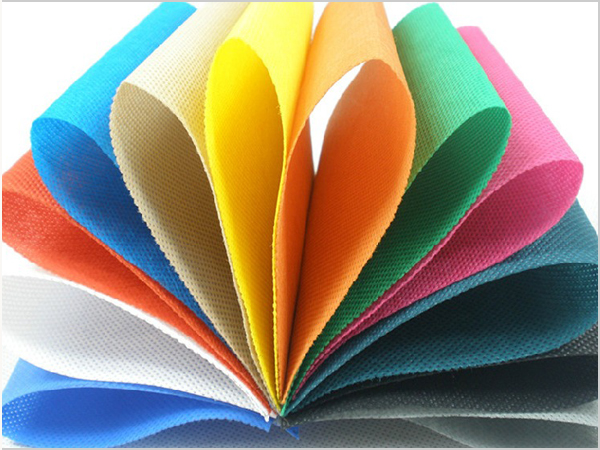
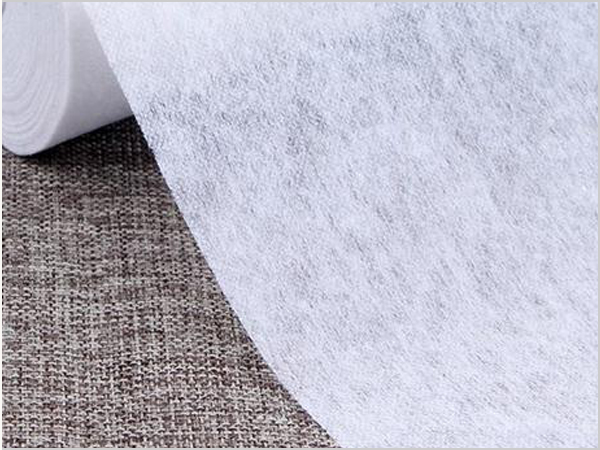
PP non-woven fabric is a kind of fabric that does not require spinning and weaving. It is only formed by orienting or randomly arranging textile short fibers or long filaments to create a web structure, and then reinforced by mechanical, thermal bonding or chemical methods. It is a non-woven fabric made of pp fibers. The full name of pp is polypropylene, and its Chinese name is polypropylene. The abbreviation for non-woven fabric is nw, and its full name is nonwoven.
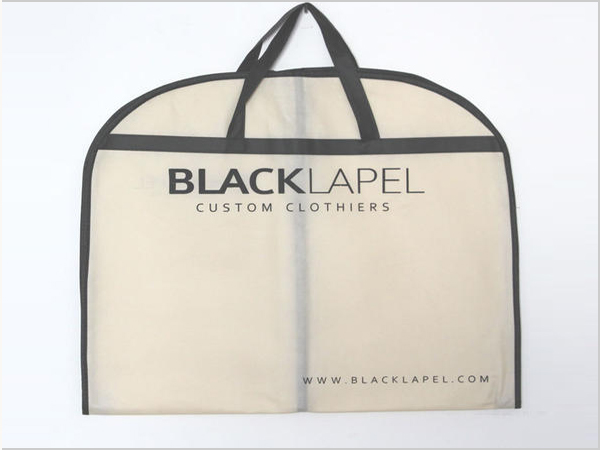
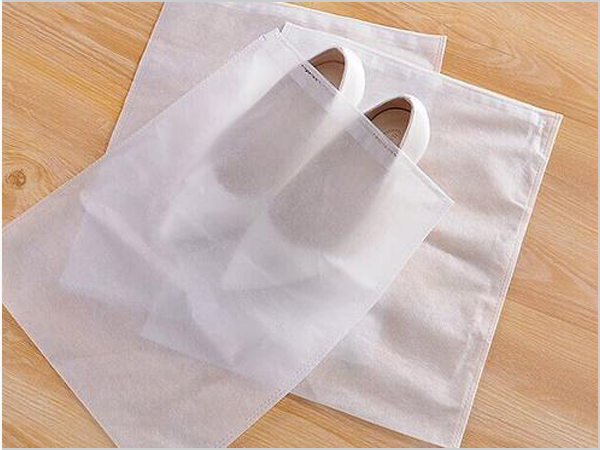
PP non-woven fabric has a wide range of uses, such as packaging bags, surgical protective clothing, industrial fabrics, etc. PP non-woven fabric (also known as non-woven fabric) is produced from polypropylene (pp material, with the English name NonWoven) pellets as raw materials through a continuous one-step process of high-temperature melting, spinning, steel laying, and hot pressing and winding.
It is called cloth because it has the appearance and certain properties of cloth. However, they are made from materials including chemical fibers and plant fibers on wet or dry papermaking machines with water or air as the suspension medium. Although they are like cloth, they are not woven, so they are called non-woven fabrics.
The characteristics of PP non-woven fabric: Non-woven fabric breaks through the traditional textile principles and features a short process flow, fast production speed, high output, low cost, wide application, and multiple raw material sources. If this material is placed outdoors and decomposed naturally, its maximum lifespan is only 90 days. If placed indoors, it decomposes within 8 years. When burned, it is non-toxic, odorless, and leaves no residue, thus not polluting the environment. This is where its environmental friendliness comes from.
Anhui Xiangshuo Nonwoven Fabric Technology Co., Ltd. is located in Wushan Town, Changfeng County, Hefei City, Anhui Province. It is close to Jiangsu, Zhejiang and Shanghai, with convenient transportation. The company covers an area of 42 mu and was established in July 2019 with a registered capital of 10 million yuan. Committed to the development and production of environmentally friendly non-woven consumables, it is a new manufacturing enterprise with complete equipment and strong technical force, and has been rated as a key investment attraction enterprise in Xinqiao Industrial Zone, Hefei City. The company currently has production lines for PP non-woven fabric and polypropylene spunbond non-woven fabric, with widths ranging from 1.8 meters to 3.2 meters and weights from 9 to 250g/m . The product is a green and environmentally friendly one featuring flame retardancy, anti-aging, anti-static, acid and alkali resistance, non-toxicity, no pollution and degradability.
- The future market for spunbond nonwoven fabrics will place greater emphasis on differentia
- Spunbond Nonwoven Fabric: Multi-field Applications and Scientific Selection Guide
- Observation on the Spunbond Nonwoven Fabric Market: Purchasing Becomes More Rational, Qual
- Common Applications and Selection Guidelines for Spunbond Nonwoven Fabrics
- The market application of spunbond non-woven fabric continues to deepen.
- A Guide for Selecting the Right Application for Nonwoven Fabrics with Spunbond Technology
- The application scope of spunbond non-woven fabric is continuously expanding, and downstre
- PP Nonwoven Fabric Purchase Guide: Understand These Points to Avoid Making Mistakes When S
- Is spunbond non-woven fabric durable? Let's find out!
- The industry's confidence has been fully restored, and the sector is witnessing a turning